
Venezuela Faces Major Seismic Crisis Amid Political Turmoil
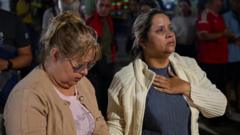
Venezuela Earthquake: A Crisis During Turbulent Times
A powerful earthquake has struck Venezuela, creating an unprecedented humanitarian challenge at a moment when the nation faces considerable political instability. The seismic event represents a significant natural disaster for a country already grappling with severe economic and social difficulties, compounding existing vulnerabilities across multiple sectors of Venezuelan society.
This earthquake in Venezuela occurs in a particularly sensitive context, arriving less than six months after the controversial detention of former leader Nicolás Maduro by United States forces. The timing of this natural disaster has intensified concerns among international observers and humanitarian organizations monitoring the nation's capacity to respond effectively to widespread emergency situations.
The Twin Seismic Events
The region experienced a sequence of seismic tremors that struck in rapid succession, creating compounded structural damage across affected areas. These twin earthquakes demonstrated significant force, triggering widespread concern regarding building integrity and infrastructure stability throughout multiple municipalities. The consecutive nature of the tremors prevented proper assessment and stabilization efforts between events, exponentially increasing the complexity of emergency response operations.
Geological experts have indicated that the magnitude and frequency of these seismic activities represent a considerable threat to Venezuela's already fragile infrastructure systems. Roads, bridges, utilities, and residential buildings in affected zones sustained substantial damage, requiring immediate attention from emergency management authorities.
Humanitarian Impact and Emergency Response
The earthquake in Venezuela has displaced numerous families from their homes, with thousands requiring immediate assistance with shelter, medical care, and essential supplies. Healthcare facilities in affected regions have become overwhelmed with injured individuals, straining an already compromised medical system struggling with resource shortages and staffing limitations.
Emergency responders have mobilized across impacted areas, though coordination challenges persist due to ongoing political dysfunction and limited governmental resources. International humanitarian organizations have begun deploying assistance, though logistical complications continue to hamper the delivery of critical aid to the most vulnerable populations.
Infrastructure Damage Assessment
Initial damage surveys reveal extensive harm to Venezuela's already deteriorating infrastructure networks. Water treatment facilities have sustained damage, threatening public health through potential contamination of drinking supplies. Electrical distribution systems have been disrupted, leaving numerous communities without power for extended periods. Communication networks have experienced partial failures, complicating coordination of rescue and relief operations.
Transportation networks suffered significant disruption, with numerous roads rendered impassable and critical supply routes compromised. This infrastructure damage directly impacts the government's capacity to mount an effective coordinated response to the earthquake in Venezuela and distribute humanitarian assistance to affected regions.
Political Context and International Response
The earthquake strikes Venezuela during an exceptionally complicated political period, characterized by significant international intervention and internal power struggles. The detention of former president Nicolás Maduro by US forces has created additional complications for disaster management and governmental stability, potentially hampering unified response efforts across national institutions.
International governments and multilateral organizations have expressed concern regarding Venezuela's capacity to manage this crisis independently. Several nations have indicated willingness to provide humanitarian assistance, though political tensions complicate coordination and delivery mechanisms for aid intended to support Venezuelan citizens.
Long-Term Recovery Challenges
Rebuilding efforts following this earthquake in Venezuela will require sustained international cooperation and substantial financial investment in infrastructure restoration. The nation faces unprecedented challenges in simultaneously addressing immediate humanitarian needs while planning for long-term structural recovery and community reconstruction.
Experts anticipate that recovery timelines may extend significantly beyond initial estimates, given Venezuela's limited financial resources and ongoing political complications. The earthquake compounds existing humanitarian challenges, potentially exacerbating conditions for vulnerable populations already affected by economic collapse and resource scarcity.
Venezuela's resilience will be tested in the coming months as national authorities and international partners work collectively to address the earthquake's devastating consequences while navigating complex political circumstances that complicate unified response coordination.


