
Oil Tanker Attacks in Middle East Reach Critical Levels Since Iran Conflict
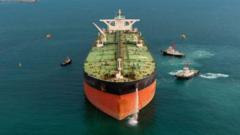
Oil Tanker Attacks Middle East: Escalation Reaches Alarming Heights
The threat posed to oil tanker operations in the Middle East has intensified dramatically, with security experts describing the situation as the most precarious period since the inception of regional Iranian conflicts. Oil tanker attacks have fundamentally disrupted established shipping patterns, forcing vessel operators and maritime authorities to reassess navigation protocols and risk mitigation strategies across some of the world's most critical energy transport corridors.
Current Security Landscape for Commercial Vessels
Recent incidents targeting commercial shipping infrastructure have exposed significant vulnerabilities within Middle Eastern maritime routes. These attacks on alternative shipping pathways have created an increasingly complex operational environment for tanker operations. Vessel operators now contend with multifaceted challenges including route deviation, extended transit times, and substantially elevated insurance premiums that reflect the heightened risk profile.
Impact on Global Energy Distribution
The disruption to oil tanker operations carries substantial implications for international energy markets. Analysts emphasize that these maritime security threats extend far beyond regional concerns, directly affecting global petroleum supply chains and pricing mechanisms. Companies relying on Middle Eastern energy resources face mounting pressure to find viable alternatives or accept the financial burden of traversing contested waters.
Challenges Facing Shipping Companies
Maritime operators managing tanker fleets encounter unprecedented operational obstacles. The necessity to reroute vessels away from traditional shipping corridors significantly increases voyage duration and associated costs. Fuel consumption rises substantially when vessels must navigate extended distances, while crew fatigue and vessel maintenance expenses accumulate more rapidly throughout longer expeditions. Insurance costs have skyrocketed as underwriters adjust premiums to reflect the elevated peril classification of Middle Eastern routes.
Navigation and Route Modifications
Commercial shipping companies have implemented comprehensive route modifications to minimize exposure to dangerous waters. Longer circumnavigation paths, though economically inefficient, have become strategically necessary. These adjustments demonstrate how oil tanker attacks have fundamentally altered established maritime practices, compelling operators to prioritize crew safety and cargo security over traditional efficiency considerations.
Analyst Perspectives on Regional Dynamics
Industry experts consistently characterize the current situation as representing the most serious maritime threat since Iranian regional hostilities commenced. Security analysts attribute the escalation to multiple interconnected factors, including political tensions, proxy conflicts, and increased militant activity targeting shipping infrastructure. The confluence of these elements has created an unpredictable environment where commercial vessels remain vulnerable to coordinated assaults and unexpected security incidents.
Comparison to Previous Conflict Periods
Historical analysis reveals that current oil tanker attack frequency and sophistication substantially exceed patterns observed during earlier conflict phases. Previous incidents typically involved isolated incidents, whereas contemporary threats demonstrate systematic targeting of commercial shipping lanes. This escalation suggests organized operations rather than sporadic attacks, intensifying concerns among international maritime authorities and energy sector stakeholders.
Global Economic Ramifications
The disruption to Middle Eastern shipping routes reverberate throughout global economic systems. Energy-dependent nations experience increased costs for essential petroleum imports, potentially impacting inflation rates and macroeconomic stability. Financial markets have responded to shipping vulnerabilities with increased volatility in energy sector stocks and commodity futures, reflecting investor concerns regarding long-term supply chain reliability.
Insurance and Risk Management Considerations
Maritime insurance premiums for Middle Eastern tanker operations have increased exponentially, adding significant expenses to shipping budgets. Insurers now classify these routes as extreme-risk operations, substantially limiting underwriting capacity and availability. Vessel owners must navigate complex insurance negotiations while simultaneously managing operational costs and security expenditures necessary for crew protection and cargo safeguarding.
International Response and Coordination Efforts
International maritime authorities have intensified monitoring and coordination mechanisms to address security concerns affecting oil tanker operations. Naval deployments from multiple nations aim to provide escort services and deterrent capabilities within contested waters. However, the effectiveness of these international security initiatives remains constrained by the complexity of Middle Eastern geopolitical dynamics and the persistent capabilities of hostile actors targeting commercial shipping infrastructure.
Future Outlook for Maritime Operations
Security analysts project continued challenges for oil tanker operations throughout the region absent substantial geopolitical developments. Long-term sustainability of Middle Eastern shipping routes depends upon diplomatic progress and de-escalation initiatives addressing underlying regional tensions. Until such resolution emerges, maritime operators must anticipate extended periods of elevated risk, requiring sustained investment in security measures and operational adaptations.
Conclusion
The current threat environment for oil tanker operations in the Middle East represents a critical juncture for global maritime commerce and energy security. Oil tanker attacks have transformed regional shipping from a routine commercial activity into a complex risk management exercise requiring constant vigilance and substantial resource allocation. Stakeholders throughout the energy and maritime sectors must remain prepared for extended periods of operational uncertainty while supporting diplomatic initiatives aimed at reducing regional tensions and restoring stable maritime conditions.


