
Oil Prices Drop as Strait of Hormuz Reopening Gains Momentum
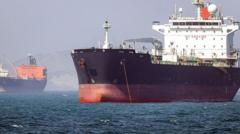
Oil Prices Fall on Strait of Hormuz Reopening Prospects
Crude oil prices experienced a notable decline in trading sessions following optimistic developments regarding the potential reopening of the Strait of Hormuz, a critical waterway for global energy transportation. The Strait of Hormuz reopening negotiations have moved forward significantly, prompting market adjustments across petroleum futures and commodity indices worldwide.
Diplomatic Breakthroughs Signal Progress
Senior United States government officials confirmed substantial advancement in negotiations aimed at restoring maritime operations through this strategically vital passage. Both the State Department and Treasury Department representatives disclosed that constructive dialogues have yielded meaningful results toward enabling cargo vessels to resume their transit routes through the contested waters.
Secretary of State Rubio's Announcement
Marco Rubio, serving as the nation's top diplomatic officer, announced publicly that negotiations have achieved sufficient progress to warrant optimism about shipping resumption. His statement emphasized the collaborative nature of ongoing discussions with international partners, signaling a coordinated effort to address the geopolitical tensions that previously disrupted maritime commerce through this essential energy corridor.
Treasury Secretary Bessent's Economic Assessment
Treasury Secretary Scott Bessent complemented diplomatic announcements with economic perspectives, highlighting how the potential restoration of shipping routes would stabilize global markets. Bessent's remarks underscored the financial implications of maintaining disrupted energy flows and the economic benefits associated with normalized trade pathways, particularly for petroleum and liquefied natural gas exports.
Market Impact and Price Adjustments
The announcement triggered immediate responses in energy commodity markets, where investors adjusted their positions based on expectations of increased global oil supply. Prices for West Texas Intermediate crude and Brent crude both reflected downward pressure as market participants recalibrated risk assessments surrounding energy availability and transportation bottlenecks.
Understanding Market Mechanics
When geopolitical tensions threaten critical shipping lanes, oil prices typically increase due to supply uncertainty premiums. Conversely, as diplomatic solutions emerge and reopening prospects strengthen, traders reduce these risk premiums, resulting in price decreases. This fundamental market dynamic explains the rapid price adjustments following official announcements from high-ranking American government officials.
Strategic Importance of the Strait
The Strait of Hormuz represents one of the world's most significant petroleum transportation chokepoints, with approximately one-fifth of global crude oil passing through its waters annually. Disruptions to this narrow waterway have historically triggered significant economic ramifications extending far beyond regional borders, affecting fuel prices, manufacturing costs, and consumer expenses across developed and developing nations alike.
Previous Disruption Consequences
Prior instances of Strait of Hormuz closure or threatened closure have demonstrated the vulnerability of global energy infrastructure to geopolitical instability. When shipping routes become congested or hazardous, alternative tanker routes require extended transit times and increased operational expenses, effectively raising energy costs throughout international supply chains.
International Implications and Global Recovery
Beyond immediate price adjustments, the reopening of this critical maritime corridor promises broader economic stabilization for energy-dependent nations worldwide. Countries relying on consistent petroleum imports for industrial operations, transportation networks, and power generation stand to benefit substantially from normalized shipping conditions and more predictable energy pricing structures.
European and Asian Markets
European nations and Asian economies, which depend heavily on Middle Eastern petroleum exports, stand to experience particular relief from restored shipping capabilities. Energy security concerns that have influenced government policies and strategic investments should diminish as reliable transportation through the Strait of Hormuz becomes increasingly assured.
Future Negotiations and Implementation
While diplomatic progress represents a significant achievement, implementation of reopening agreements requires coordination among multiple international stakeholders, shipping companies, and regional authorities. Additional negotiations will likely address security provisions, inspection protocols, and international oversight mechanisms to ensure sustainable operation of the Strait of Hormuz as a free and secure maritime passage.
Timeline Expectations
Government officials indicated that practical reopening timelines depend on finalizing specific operational agreements and establishing monitoring systems. The transition from diplomatic announcements to functional shipping resumption typically requires several weeks or months, during which logistical arrangements and security protocols must be thoroughly established and tested.
Conclusion: Energy Market Stability Ahead
The announcement of meaningful progress toward Strait of Hormuz reopening represents a positive development for global energy markets and international commerce. As negotiations continue advancing and implementation procedures commence, oil prices will likely stabilize at lower levels, benefiting consumers, industries, and economies worldwide that depend on reasonably priced and reliably available petroleum supplies.


