
Russia's Cash Economy Grows Amid Wartime Pressures
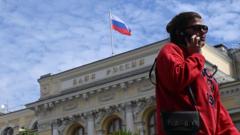
Russia's Growing Reliance on Cash Amid Wartime Challenges
The cash economy Russia has experienced significant expansion as citizens and enterprises adapt to unprecedented economic pressures stemming from the prolonged military conflict with Ukraine. Over the past four years of continuous warfare, the Russian economy has undergone remarkable transformations, with cash transactions becoming increasingly prevalent across various sectors of society.
Impact of Digital Infrastructure Disruptions
One of the primary factors contributing to this shift toward physical currency involves the widespread mobile internet shutdowns affecting Russian territories. These telecommunications disruptions have forced both consumers and business operators to rely on traditional payment methods when digital infrastructure becomes unavailable. The unreliability of internet connectivity has created a cascading effect throughout the economy, as businesses struggle to maintain online operations and customers face difficulties accessing digital banking services.
The frequency and duration of these shutdowns have intensified throughout the conflict, leaving ordinary Russians with limited alternatives to cash transactions. Small retailers, service providers, and local enterprises have reported increased demand for physical currency exchanges and face-to-face financial dealings. This phenomenon reflects a broader pattern of digital service disruptions that have become characteristic of the wartime environment.
Tax Evasion and Underground Economy Growth
Parallel to increased cash usage, a notable surge in tax evasion practices has emerged across Russian business sectors. Companies operating within the wartime economy have increasingly sought methods to circumvent tax obligations, viewing such measures as necessary survival strategies during economically turbulent periods. The underground economy has expanded substantially, with cash-based transactions facilitating transactions that escape official government oversight and taxation mechanisms.
Business operators cite multiple justifications for these practices, including uncertainty regarding government fiscal policies, concerns about asset seizure, and the burden of maintaining operations amid economic sanctions and resource scarcity. The informal cash economy has become an increasingly attractive option for enterprises attempting to preserve capital and maintain operational viability during sustained economic pressure.
Broader Economic Ramifications
The escalating reliance on cash within Russia's wartime economy presents significant challenges for central authorities attempting to monitor and regulate financial flows. Tax revenues have become increasingly difficult to track and collect, creating budgetary pressures for government agencies responsible for war-related expenditures and essential public services. The cash economy Russia has developed represents both a symptom of deeper economic dysfunction and a mechanism through which citizens attempt to protect their financial interests.
This shift fundamentally alters the composition and character of Russian economic activity, fragmenting financial markets and reducing the effectiveness of monetary policy tools traditionally employed by the Central Bank of Russia. Officials have expressed concern about the implications of this trend for long-term economic stability and recovery potential in the post-conflict period.
Consumer Behavior and Adaptation Patterns
Russian households have similarly adjusted their financial behaviors in response to these combined pressures. Consumers increasingly maintain higher proportions of their assets in physical cash, reflecting a loss of confidence in digital banking systems and broader concerns about economic stability. This preference for tangible currency reflects rational responses to genuine infrastructure vulnerabilities and economic uncertainty characterizing the wartime environment.
The psychological dimension of this shift cannot be overlooked, as citizens respond to prolonged conflict by adopting conservative financial strategies that prioritize immediate liquidity and accessibility. This behavioral adaptation has reinforced the expansion of cash-based economic activity at all levels of society.
Future Economic Outlook
As the conflict continues, the cash economy Russia has fostered presents both immediate challenges and longer-term structural complications for economic recovery. The entrenchment of informal financial practices may prove difficult to reverse once normalized, potentially creating lasting inefficiencies within the broader economic system. Policymakers face mounting pressure to address these underlying issues while managing the competing demands of wartime resource allocation and economic stabilization efforts.


