
UEFA Warns Boycott Could Proceed Despite FIFA's Infantino Backing
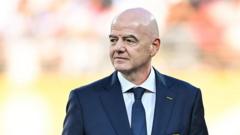
UEFA Maintains Firm Stance on Potential Boycott Action
The UEFA boycott threat remains on the table despite recent developments regarding FIFA president Gianni Infantino's position. European football's governing body has signaled that institutional backing from FIFA headquarters does not substantially modify their current course of action or negotiating position in this ongoing dispute.
UEFA's response underscores the deepening tensions within international football administration. The organization's leadership has consistently emphasized that their concerns transcend individual support declarations, focusing instead on broader governance frameworks and regulatory structures that affect European football operations.
FIFA's Show of Support for Infantino
During a meeting held on Wednesday, FIFA formally expressed institutional support for Gianni Infantino, reaffirming confidence in his leadership and vision for the organization's future direction. This endorsement was intended to strengthen Infantino's position amid the ongoing UEFA boycott threat and associated pressure from European football authorities.
The FIFA backing represents an attempt to consolidate support from member confederations and demonstrate unified institutional leadership. However, UEFA's immediate response indicates that such declarations fail to address the core issues at stake in this dispute, suggesting that the matter extends beyond personal political considerations affecting individual administrators.
The FA's Position Shift
England's Football Association has withdrawn its previously stated support for Gianni Infantino, marking a significant development in the landscape of football governance. This reversal by the FA—a major stakeholder within UEFA—reflects mounting concerns about administrative direction and policy implementation at the international level.
The FA's withdrawal of support signals growing discontent among prominent European football organizations regarding FIFA's current trajectory. This shift highlights the complexity of international football politics, where individual confederations balance their relationships with both UEFA and FIFA while pursuing their own institutional interests.
Understanding UEFA's Stance
UEFA's explicit statement that FIFA's Infantino support "changes nothing" represents a clear articulation of the organization's resolve. The governing body maintains that institutional endorsements from FIFA headquarters do not address the fundamental issues driving the potential UEFA boycott threat.
The European confederation has positioned itself as focused on substantive governance reforms rather than personality-driven politics. This strategic communication emphasizes that their concerns involve systemic issues affecting European football's structure, regulatory compliance, and decision-making processes at the international level.
Potential Boycott Implications
The UEFA boycott possibility carries significant ramifications for international football competitions, tournaments, and collaborative initiatives. European football's withdrawal from FIFA-coordinated activities would represent an unprecedented challenge to global football governance structures and administrative operations.
Such action would disrupt scheduling arrangements for major tournaments, qualification processes, and international match calendars affecting millions of players, clubs, and supporters across the continent. The potential consequences highlight the serious nature of current disputes and UEFA's willingness to employ substantive leverage in negotiations with FIFA leadership.
International Football Governance at a Crossroads
The current situation reflects broader tensions within international sports governance, where regional confederations increasingly assert autonomy and challenge centralized decision-making authority. UEFA's firm stance demonstrates that European football organizations possess the institutional strength and collective will to challenge FIFA's governance models.
This dispute occurs within a context of broader scrutiny of international sports administration, governance transparency, and accountability mechanisms. The UEFA boycott threat exemplifies how major football confederations are now prepared to exercise significant political and organizational leverage to enforce their preferences regarding international football administration and regulatory frameworks.
Looking Forward
The trajectory of this dispute remains uncertain, with neither UEFA nor FIFA demonstrating clear signals of substantive compromise. The withdrawal of FA support for Infantino suggests potential fracturing within the global football administration coalition that previously sustained current leadership structures.
Ongoing negotiations and diplomatic discussions will likely intensify as stakeholders seek resolution. However, UEFA's unambiguous statement that FIFA's Infantino endorsement fails to alter their position suggests that resolution may require more comprehensive governance reforms extending beyond simple leadership affirmations or institutional support declarations.


