
Geothermal Energy: Unlocking the Abundant Resource Beneath Earth's Surface
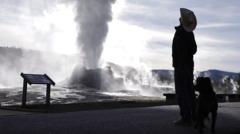
Geothermal Energy: The Untapped Power Source Hidden Below
Geothermal energy represents one of the most consistent yet underutilized renewable resources available today. While this abundant heat source lies directly beneath our feet, transforming it into accessible electricity remains a significant challenge for the energy sector. Recent advances from innovative startups are attempting to revolutionize how we harness geothermal energy, potentially changing the landscape of global power generation.
What Makes Geothermal Energy Different From Other Renewables?
Unlike solar and wind energy, which depend on weather conditions and time of day, geothermal energy provides continuous baseload power. This reliability stems from Earth's constant internal heat, making geothermal energy a stable alternative to fossil fuels. The technology behind capturing this resource, however, has traditionally required significant upfront capital investment and specialized drilling expertise.
The Historical Barriers to Geothermal Adoption
For decades, geothermal energy development remained concentrated in specific geographic regions with ideal geological conditions. Countries like Iceland, New Zealand, and the Philippines built successful geothermal industries, but expansion to other territories proved economically challenging. The high drilling costs and technical complexity meant only large utility companies could justify the investments necessary to develop geothermal projects.
Emerging Startups Challenging Traditional Approaches
A new generation of companies is now disrupting the geothermal energy sector with innovative methodologies and advanced technologies. These startups are employing techniques borrowed from the oil and gas industry, adapting drilling methods to create more efficient and cost-effective geothermal wells. By leveraging existing expertise and engineering solutions, these companies aim to reduce development timelines and lower the overall expense associated with geothermal energy projects.
Advanced Drilling Techniques and Enhanced Geothermal Systems
Enhanced Geothermal Systems (EGS) represent a breakthrough approach for accessing geothermal energy in areas previously considered unsuitable for development. This technology involves creating reservoirs by fracturing hot rock formations and circulating fluid through them to generate heat. Startups working with EGS technology believe this method could expand geothermal energy availability far beyond traditional volcanic and tectonically active regions.
Technological Innovation Reducing Operational Costs
Modern geothermal energy ventures are implementing digital monitoring systems, artificial intelligence, and advanced materials to optimize drilling and extraction processes. Real-time data analytics help identify the most productive zones within boreholes, maximizing the efficiency of each well. These technological enhancements contribute to reducing the cost per megawatt of geothermal energy capacity.
Economic Viability: The Critical Question
Despite technological progress, the fundamental economic challenge remains whether geothermal energy can compete with established renewable sources and conventional power generation. Initial capital requirements for developing geothermal energy projects still exceed those for solar farms or wind installations. However, the longer operational lifespan of geothermal facilities—often 50 years or more—provides advantages in lifecycle cost analysis.
Investment Landscape and Financial Support
Venture capital funding for geothermal energy startups has increased substantially in recent years. Major energy companies and institutional investors recognize the potential of geothermal energy to contribute meaningfully to decarbonization goals. Government incentives and tax credits in various jurisdictions are also encouraging development of geothermal energy projects, making the financial case increasingly compelling.
Global Potential of Geothermal Energy Resources
Research indicates that harnessing just a fraction of available geothermal energy could satisfy a considerable portion of global electricity demand. The worldwide geothermal energy potential remains vastly underexploited compared to solar and wind alternatives. Expanding geothermal energy infrastructure could provide reliable, clean power to densely populated regions currently dependent on fossil fuels.
Regional Development Opportunities
Countries with limited suitable conditions for traditional geothermal energy now see possibilities through advanced techniques. Parts of Europe, North America, and Asia that previously lacked viable geothermal energy resources are now being assessed for potential projects. This geographic expansion would democratize access to geothermal energy benefits across more nations and continents.
Challenges Ahead for Geothermal Energy Expansion
Scaling geothermal energy technology requires overcoming regulatory hurdles, environmental considerations, and public acceptance concerns. Induced seismicity from geothermal energy operations requires careful management and monitoring. Additionally, the specialized skills needed for geothermal energy development remain concentrated among limited personnel and companies.
The Future of Geothermal Energy in the Energy Mix
Whether geothermal energy achieves widespread adoption depends on sustained technological innovation and continued investment commitment. Successful startups demonstrating profitable geothermal energy projects will likely accelerate broader industry adoption. As renewable energy sources become increasingly essential for meeting climate targets, geothermal energy deserves recognition as a critical component of our sustainable future energy strategy.


