
Artificial Ice Pyramids: India's Solution to Save Mountain Water
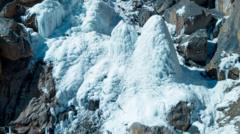
How Artificial Glaciers Provide Hope for India's Mountain Communities
Across the remote regions of the Indian Himalayas, a groundbreaking approach to combating water scarcity is gaining momentum. Artificial glaciers India is transforming the way mountain villages approach agriculture and resource management. These ingenious ice structures, often referred to as ice pyramids, are being deliberately constructed during winter months to create frozen water reserves that persist through the spring planting season.
The Challenge of Water Scarcity in Himalayan Regions
Mountain villages throughout the Himalayan range face a critical challenge: the unpredictable timing of natural glacier melt. Traditional glaciers that once provided dependable water sources for irrigation are receding due to climate change and shifting weather patterns. This phenomenon has left agricultural communities vulnerable, with crops planted during spring months increasingly dependent on inconsistent water availability.
The problem intensifies as global temperatures continue to rise, causing natural ice formations to diminish at accelerating rates. Farmers in these elevations depend heavily on this seasonal water supply for their survival and economic sustenance. Without reliable irrigation during crucial growing periods, entire harvests can be lost, threatening both food security and the livelihoods of thousands of mountain inhabitants.
The Innovation Behind Ice Pyramids and Artificial Glaciers
Local engineers and community leaders have developed an ingenious solution that mimics nature's own processes. By channeling water from natural springs or streams during the coldest months, they create controlled freezing conditions that build substantial ice formations. These artificial glacier structures are strategically shaped and positioned to maximize their lifespan throughout the warmer months.
The technology behind these ice pyramids involves directing water flow through specially designed channels that encourage slow, consistent freezing. The pyramidal shape serves a practical purpose: it increases surface area exposure while maintaining a compact footprint, allowing the frozen mass to resist melting longer under spring sunshine. This geometric approach has proven remarkably effective in preserving ice deep into the growing season.
Spring Water Release and Agricultural Benefits
As temperatures rise in spring, the stored ice within these artificial glacier formations begins to melt gradually. This controlled release provides a steady supply of irrigation water precisely when farmers need it most for planting and initial crop growth. The timing is crucial—water becomes available just as the soil thaws and agricultural activities commence across mountain villages.
The Himalayan water conservation strategy has demonstrated tangible results. Farmers report significantly improved crop yields and more reliable harvests compared to previous seasons when they relied solely on unpredictable natural melt cycles. Vegetables, grains, and other regional crops benefit from this consistent water availability during their most vulnerable developmental stages.
Sustainable Mountain Village Irrigation Practices
What makes this approach particularly valuable is its sustainability. Unlike energy-intensive pumping systems or water treatment facilities, artificial glacier preservation techniques work entirely with natural physics and seasonal conditions. The system requires minimal ongoing maintenance and doesn't depend on external fuel sources or complex infrastructure.
Communities have adapted traditional construction methods to build these ice formations, passing knowledge between generations. The work is labor-intensive, involving coordination during peak winter months when conditions are optimal for construction. Village elders work alongside younger residents to ensure that techniques remain refined and effective year after year.
Environmental Impact and Climate Adaptation
This innovative approach represents an important adaptation strategy as mountain communities grapple with climate change impacts. Rather than attempting to reverse glacial decline, villages are creating supplementary ice reserves that complement whatever natural melt occurs. This dual approach—combining residual natural glacier water with artificially created supplies—provides a more robust safety margin for agricultural planning.
The glacier preservation techniques also offer broader environmental benefits. By reducing dependence on alternative water extraction methods, communities minimize damage to existing water tables and natural springs. The system works in harmony with the mountain ecosystem rather than against it, making it an environmentally conscious solution to resource challenges.
Scaling and Future Prospects
Success in initial villages has inspired neighboring communities to adopt similar ice pyramid construction methods. Knowledge sharing between mountain settlements is expanding the reach of this practical innovation. Agricultural experts and environmental organizations are documenting these techniques to ensure they can be replicated and improved across different Himalayan microclimates and altitudes.
As climate pressures continue mounting, the artificial glaciers India develops may become increasingly vital to regional food security. These ice pyramids represent not just an engineering solution, but a testament to human ingenuity and community resilience in adapting to environmental challenges.


