
AI Technology Aids Firefighters in Wildfire Detection
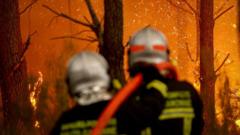
Technological Innovation Reshapes Wildfire Surveillance
Advanced wildfire detection technology continues to revolutionize how authorities identify and respond to forest fires across vulnerable regions. While innovative solutions enhance early warning systems, experienced firefighters remain indispensable for active fire suppression and ground-level operations. The integration of artificial intelligence and monitoring systems has significantly improved response times without diminishing the critical role human personnel play in emergency management.
How AI Systems Monitor Fire Threats
Modern wildfire detection technology employs satellite imagery, thermal sensors, and machine learning algorithms to identify potential fire outbreaks before they become catastrophic. These sophisticated systems scan vast territories continuously, analyzing temperature fluctuations and smoke patterns across landscapes. By processing massive datasets in real-time, AI-driven platforms can alert authorities within minutes of detecting anomalous conditions, allowing rapid deployment of resources to threatened areas.
Satellite and Ground-Based Sensors
Contemporary fire detection infrastructure combines space-based observations with strategically positioned ground sensors. Satellites equipped with infrared cameras monitor forest regions continuously, while automated weather stations track humidity, wind speed, and other environmental factors that influence fire behavior. This comprehensive network creates an early warning ecosystem that provides agencies with precious minutes to mobilize personnel and equipment.
The Irreplaceable Human Element in Fire Suppression
Despite technological advancements in wildfire detection technology, the actual suppression of active fires demands specialized human expertise and decision-making capabilities. Firefighters possess critical skills in real-time tactical assessment, equipment operation, and personnel safety management that current automation cannot replicate. Their ability to adapt strategies based on unpredictable terrain, wind changes, and fire behavior requires intuitive judgment developed through extensive training and field experience.
Complex Decision-Making in Crisis Situations
Active fire suppression scenarios present rapidly evolving challenges requiring immediate human judgment. Firefighters must evaluate evacuation routes, determine optimal hose placement, manage water resources efficiently, and coordinate with aerial support teams. These decisions involve weighing multiple risk factors simultaneously—tasks where artificial intelligence systems still lack the contextual understanding and adaptive thinking that experienced personnel provide.
Collaborative Systems: Technology and Personnel Working Together
The most effective approach to wildfire management combines wildfire detection technology capabilities with skilled human intervention. Predictive analytics help agencies pre-position crews and equipment in high-risk zones before fires ignite. Real-time monitoring systems provide firefighters with updated information about fire spread patterns, weather conditions, and terrain hazards as they execute suppression operations. This synergy maximizes both prevention effectiveness and response efficiency.
Enhanced Coordination Through Digital Platforms
Integrated digital command centers allow supervisors to visualize real-time fire developments while coordinating multiple firefighting teams across expansive territories. Communication systems powered by reliable technology enable rapid information sharing between aerial units, ground crews, and incident commanders. GPS tracking and digital mapping tools help personnel navigate efficiently while avoiding hazardous areas, ultimately protecting lives while improving operational outcomes.
Current Limitations of Automation in Emergency Response
While wildfire detection technology excels at surveillance and early warning functions, autonomous systems cannot replicate the physical capabilities or judgment required for on-site firefighting operations. Drones and robotic equipment can support reconnaissance and deliver water to specific locations, but they operate under human supervision rather than independent protocols. The unpredictability of wildfire behavior and complex terrain navigation remain challenges where human expertise outperforms automated alternatives.
Future Integration of Technology in Fire Management
Emerging innovations promise enhanced collaboration between wildfire detection technology and human personnel. Advanced drones may improve aerial reconnaissance and water delivery capabilities. Augmented reality systems could provide firefighters with real-time hazard mapping and thermal imaging during ground operations. Predictive modeling will continue refining threat assessment, enabling more strategic resource allocation before fires develop into uncontrollable situations.
Conclusion: Partnership Over Replacement
The evolution of wildfire detection technology demonstrates that innovation enhances rather than replaces human firefighting efforts. Early detection systems, powered by artificial intelligence and modern sensors, extend the window for preventive action and inform tactical decisions. However, the physical demands and complex judgment required for fire suppression remain fundamentally human responsibilities. The most effective fire management strategies acknowledge this reality by integrating technological capabilities with skilled personnel, creating comprehensive systems that leverage both data-driven intelligence and irreplaceable human expertise.


