
US Enforces Tariffs Against 60 Trading Partners for Forced Labour Violations
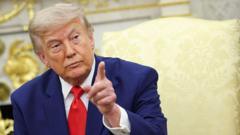
United States Implements Tariffs on Trading Partners Over Forced Labour Concerns
The United States has announced a major trade enforcement action by imposing forced labour tariffs against approximately 60 trading partners worldwide. The decision reflects Washington's commitment to combating exploitative labor practices in international commerce and ensuring that imported goods meet stringent ethical standards. This comprehensive tariff initiative targets nations that have allegedly failed to implement adequate safeguards against forced labour in their manufacturing and production sectors.
Scope and Scale of the Tariff Action
The forced labour tariffs represent one of the most expansive trade enforcement measures undertaken in recent years. By targeting around 60 different trading partners simultaneously, the United States is signaling zero tolerance for nations that permit exploitative working conditions within their economies. These trading partners span multiple continents and economic sectors, demonstrating the breadth of concerns regarding forced labour practices in global supply chains.
Countries and Sectors Affected
The tariff measures affect a diverse range of industries including textiles, agriculture, manufacturing, and electronics. Trading partners targeted include both developed and developing nations, suggesting that forced labour violations occur across all economic levels. The comprehensive nature of these forced labour tariffs indicates that the assessment was thorough and evidence-based, with each targeted nation facing specific allegations regarding inadequate labor protections.
Reasons Behind the Enforcement Action
According to official statements, the trading partners subject to forced labour tariffs have failed to meet international standards for labor protection and transparency. These nations allegedly did not implement sufficient oversight mechanisms to prevent forced labour in their supply chains, nor did they adequately investigate and prosecute violations when they occurred. The United States argues that without credible action from these countries, American consumers and businesses cannot be assured that their imported products were manufactured ethically.
International Labour Standards
The forced labour tariffs are grounded in internationally recognized labor conventions and standards. The United States has referenced commitments made through organizations such as the International Labour Organization (ILO) and various bilateral and multilateral trade agreements. The enforcement action underscores America's position that compliance with these standards is non-negotiable for maintaining favorable trading relationships.
Impact on Global Trade Dynamics
This forced labour tariffs announcement will reshape trade relationships across numerous sectors. Businesses importing goods from affected trading partners must now reassess their supply chain strategies and costs. Companies may face increased expenses due to tariff additions or may seek alternative suppliers from nations with stronger labor protection records. The initiative could incentivize structural reforms in targeted countries' labor sectors as they seek to regain favorable trading status.
Business Community Response
Major importers and retailers have begun evaluating the implications of the forced labour tariffs on their operations and pricing strategies. Some companies have announced plans to diversify their supplier base away from affected trading partners, while others have committed to more rigorous auditing of their supply chains. This market response amplifies the practical impact of the tariffs beyond the direct tax burden.
Path to Relief and Compliance
The United States has indicated that affected trading partners can seek relief from the forced labour tariffs by demonstrating substantive improvements in their labor practices and enforcement mechanisms. Nations must show evidence of comprehensive investigations, prosecutions of violators, and implementation of preventive systems. This creates an incentive structure designed to motivate genuine reforms rather than merely seeking exemptions.
Requirements for Remediation
Countries wanting to eliminate or reduce the forced labour tariffs must establish independent labor monitoring systems, increase transparency in supply chain reporting, and strengthen penalties for violations. They are also expected to cooperate with international investigations and participate actively in enforcement efforts. The timeline for demonstrating compliance varies by trading partner and the severity of violations identified.
Broader Policy Implications
The forced labour tariffs announcement reflects a sustained American commitment to using trade policy as a tool for enforcing labor rights globally. This approach combines market mechanisms with direct legal requirements, creating multiple pressure points for change. The action also signals support for consumer awareness campaigns regarding ethical sourcing and fair labor practices in international commerce.
Future Trade Negotiations
Future bilateral and multilateral trade discussions will likely include enhanced labor provisions as standard requirements. The forced labour tariffs initiative sets a precedent that nations cannot expect favorable trading access without demonstrable commitment to eliminating exploitative labor practices. This may accelerate broader shifts in how international trade agreements address labor rights and enforcement.
Conclusion
The United States' decision to impose forced labour tariffs on approximately 60 trading partners represents a significant escalation in efforts to combat exploitative labor practices in global commerce. By leveraging its substantial purchasing power and market access, America is attempting to create systemic pressure for labor standards improvement worldwide. While the forced labour tariffs will create short-term disruptions in trade flows, the long-term goal of establishing more ethical international supply chains aligns with evolving consumer expectations and international labor advocacy efforts.


