
Trump Warns Iran: Military Response to Hormuz Strait Attacks
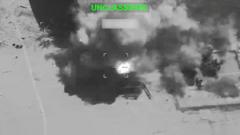
Trump Issues Stern Warning to Iran Over Hormuz Strait Shipping
The Strait of Hormuz attacks have become a critical point of contention in US-Iran relations, with President Donald Trump publicly declaring that the United States will take decisive military action if Iranian forces continue targeting commercial vessels. Trump's recent statements underscore the escalating tensions in one of the world's most strategically important waterways, through which approximately one-third of global maritime petroleum trade passes daily.
According to Trump's public remarks, any future incident involving Iranian forces shooting at ships transiting the Strait of Hormuz will prompt an immediate American response. The president did not specify the exact nature or scale of potential retaliation, but his comments suggest a readiness to employ military force if provocation continues. This hardline stance represents a significant escalation in rhetoric from Washington, signaling that patience for Iranian aggression in the region has reached its limit.
Strategic Importance of the Strait of Hormuz
The Strait of Hormuz represents a critical chokepoint in global energy markets and international trade. Located between Iran and Oman, this narrow waterway connects the Persian Gulf to the Gulf of Oman and the Arabian Sea. The strategic significance of this passage cannot be overstated, as disruptions to shipping through these waters have far-reaching implications for global oil prices, economic stability, and international commerce.
The recent incidents involving attacks on merchant vessels have raised serious concerns among shipping companies, maritime insurers, and energy-producing nations. Insurance premiums for vessels transiting the region have increased substantially, reflecting the heightened risk perception among maritime industry stakeholders. These economic repercussions extend beyond Iran and the United States, affecting global supply chains and consumer markets worldwide.
Context of US-Iran Tensions
Trump's warnings come amid a broader backdrop of deteriorating relations between Washington and Tehran. Following the United States withdrawal from the Joint Comprehensive Plan of Action (JCPOA) in 2018, bilateral relations have steadily declined. The reimposition of comprehensive sanctions on Iran's oil sector, banking system, and other critical industries has created profound economic pressures on the Iranian government.
These escalating confrontations in the Strait of Hormuz represent a dangerous development in an already volatile region. Multiple incidents over recent months have involved attacks on tankers and commercial vessels, with responsibility disputed between the parties involved. The United States has blamed Iranian-backed militias and regular Iranian forces for orchestrating or conducting these attacks, while Iran has denied direct involvement, attributing incidents to regional instability and proxy forces.
Military Capabilities and Potential Response Options
Trump's implicit threats regarding Iranian infrastructure suggest several possible military response scenarios. The mention of bridges and power plants indicates potential targeting of civilian infrastructure, which would represent a significant escalation in military tactics. Such actions would represent a departure from conventional military engagement and could result in substantial civilian casualties and long-term humanitarian consequences.
The United States military maintains overwhelming superiority in the Persian Gulf region, with naval assets, air power, and special operations capabilities that far exceed Iranian military capacities. However, Iran possesses asymmetrical warfare capabilities, including ballistic missiles, naval mines, coastal defense systems, and proxy forces throughout the region that could inflict damage on American interests and allied nations.
International Implications and Concerns
European nations, Japan, China, and other trading partners have expressed serious concerns about escalating tensions threatening freedom of navigation in the Strait of Hormuz. The European Union has attempted to mediate and preserve the nuclear agreement, while Japan has pursued diplomatic channels with Tehran. These international efforts aim to de-escalate the situation and prevent military conflict that could destabilize the entire region.
The potential for miscalculation or accidental escalation remains significant, as military assets from multiple nations operate in close proximity within the contested waterway. Any military strike against Iranian infrastructure could trigger retaliatory actions, creating a cycle of escalation that may prove difficult to control or limit in scope.
Shipping Industry Response
Maritime operators have already begun implementing additional security measures, including increased escort operations, revised routing procedures, and enhanced surveillance capabilities. The shipping industry's response reflects genuine concerns about vessel safety and the viability of maintaining normal commercial operations in the region.
Trump's direct warnings appear designed to deter further Iranian action through explicit threats of military consequences. However, the effectiveness of such deterrent messaging remains uncertain, given the mutual mistrust between the parties and the historical precedent of threats failing to prevent escalation in this volatile region.


