
United States Halts HIV Prevention Funding in South Africa
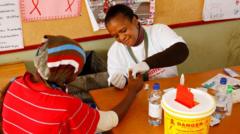
US Announces End to HIV Programmes Funding in South Africa
The United States has made the significant decision to cease financial support for HIV programmes in South Africa, marking a substantial shift in international health assistance. This development affects one of the world's most critical healthcare initiatives, as South Africa continues to grapple with unprecedented disease burden and treatment demands.
The Scale of HIV Crisis in South Africa
South Africa remains home to the largest HIV-positive population globally, with more than eight million citizens currently living with the virus. This figure underscores the nation's ongoing struggle with one of the most severe pandemics affecting a single country in the modern era. The prevalence of HIV in South Africa presents unique challenges for healthcare infrastructure, resource allocation, and long-term disease management strategies.
Understanding the Burden of Disease
The concentration of HIV cases in South Africa represents approximately 19 percent of the global HIV burden, despite the country comprising less than one percent of the world's population. This disproportionate impact has shaped South African public health policy for decades and continues to influence budgetary priorities across multiple government departments.
Impact of US Funding Withdrawal
American financial contributions have historically supported essential components of South Africa's HIV response infrastructure. The cessation of these funds raises critical questions about the sustainability of ongoing prevention, testing, and treatment initiatives that have benefited millions of South Africans.
Previous US Support Mechanisms
United States government agencies had channeled resources through various programs designed to strengthen South Africa's healthcare systems. These initiatives focused on expanding access to antiretroviral therapy, training healthcare workers, improving laboratory capacity, and supporting community-based prevention education.
Implications for Treatment and Prevention Programs
The withdrawal of American funding necessitates urgent reassessment of program budgets and operational continuity. Healthcare facilities across the country may face constraints in maintaining current service levels, potentially affecting millions of patients dependent on government-supported treatment protocols.
Challenges to Antiretroviral Distribution
South Africa's antiretroviral therapy programs have achieved remarkable success in recent years, with hundreds of thousands of patients accessing life-saving medications through public health channels. The reduction in international funding may complicate efforts to maintain universal treatment access and expand coverage to underserved populations.
Government and International Response
South African health authorities and international organizations have begun evaluating alternative funding mechanisms and partnerships to offset the American withdrawal. Regional health agencies and bilateral relationships with other nations may provide supplementary support for critical programs.
Seeking Alternative Financial Support
The South African government is exploring expanded partnerships with multilateral health organizations, private sector contributions, and bilateral agreements with other developed nations. These efforts aim to preserve the gains achieved in HIV programmes over the past two decades and sustain treatment continuity for vulnerable populations.
Long-Term Consequences for Public Health Infrastructure
The discontinuation of HIV programmes funding from the United States may have cascading effects on South Africa's broader healthcare system. Public health facilities already operating under resource constraints may face additional pressure to maintain essential services across multiple disease areas.
This development underscores the complex relationship between international health aid and developing nation healthcare stability. South Africa's experience demonstrates how external funding mechanisms influence domestic policy implementation and healthcare delivery capacity, particularly for chronic disease management requiring sustained investment and institutional expertise.


