
US Mountaineer Found After Devastating Pakistan Avalanche Tragedy
US Climber Recovered After Major Pakistan Avalanche Incident
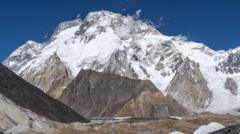
Rescue operations in Pakistan have resulted in the recovery of another victim following a devastating avalanche that has claimed multiple lives on one of the region's most treacherous peaks. The body of a US climber was located and retrieved by emergency response teams, marking the latest addition to the grim toll of this mountaineering disaster. This Pakistan avalanche has highlighted the extreme dangers faced by climbers attempting to summit high-altitude peaks in the Karakoram region.
Recovery Efforts Continue
As of the latest update, recovery teams have successfully retrieved the remains of three mountaineers from the affected area. Two additional climbers were recovered in previous operations, while search and rescue personnel continue their efforts to locate other missing team members. The challenging terrain and harsh weather conditions have complicated rescue operations, requiring specialized mountain rescue units to navigate treacherous slopes and unpredictable conditions.
The Pakistan avalanche struck during a climbing season when numerous expeditions were attempting high-altitude summits. Emergency response teams from local authorities and international rescue organizations have been coordinating efforts to access the avalanche zone and recover victims. These operations present significant challenges due to the altitude, temperature extremes, and unstable snow conditions that persist in the aftermath of such catastrophic events.
Mountain Climbing Risks in the Region
The Karakoram mountain range, where this Pakistan avalanche occurred, is home to some of the world's most challenging and dangerous peaks. Climbers from around the globe undertake expeditions in this region annually, fully aware of the inherent risks. Avalanches remain one of the most unpredictable hazards, capable of claiming multiple lives in seconds and leaving entire climbing parties devastated.
Mountaineering experts emphasize that even experienced climbers face substantial risks in high-altitude environments. The conditions that trigger avalanches—including heavy snowfall, temperature fluctuations, and steep terrain—are difficult to predict with absolute certainty. This Pakistan avalanche serves as a sobering reminder of the power of nature and the courage required by those who pursue climbing at extreme altitudes.
International Response and Support
The incident has prompted responses from international climbing organizations and diplomatic channels. Governments of affected climbers have coordinated with Pakistani authorities to facilitate recovery operations and provide support to families of the victims. The US State Department has been in contact with local officials to assist in recovery efforts and identify remaining missing persons.
Search and rescue teams have deployed advanced equipment and personnel to systematically search the avalanche debris field. Recovery operations in such extreme environments require specialized training, proper acclimatization to high altitude, and access to specialized mountain rescue equipment. Teams must balance the urgency of recovery with their own safety considerations.
Impact on Climbing Community
This Pakistan avalanche disaster has profound implications for the mountaineering community. It underscores the unpredictable nature of high-altitude climbing and the importance of comprehensive safety protocols. Expedition leaders and climbers review avalanche prevention strategies, weather forecasting data, and route selections to minimize future risks.
The recovery of the US climber and other victims represents closure for grieving families while highlighting the dedication of rescue personnel who work under extremely difficult conditions. As search operations continue for any remaining missing climbers, the global climbing community mourns the lives lost and reflects on the inherent dangers of pursuing mountaineering adventures in some of Earth's most formidable terrain.


