
Ukrainian Forces Condemn Defense Minister Removal in Unprecedented Military Backlash
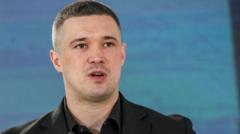
Widespread Military Discontent Over Defense Minister Departure
The Ukrainian defense minister removal has sparked significant unrest within the nation's armed forces, with soldiers expressing serious concerns about the institutional decision. Multiple military personnel have publicly condemned the removal of Mykhailo Fedorov, indicating deep divisions over the government's handling of senior defense appointments during a critical period.
Tensions within Ukraine's military establishment came to a head following the announcement of the defense minister removal, prompting unprecedented criticism from soldiers across various ranks and units. The backlash reflects broader anxieties within the armed forces regarding leadership stability and strategic direction at a pivotal moment for the nation.
Soldiers Share Grievances With International Media
Troops communicating with British broadcasting journalists have detailed their frustrations over what they perceive as an ill-timed and poorly justified defense minister removal. These military voices represent sentiment echoed across multiple battalions and operational units, suggesting the controversy extends beyond isolated pockets of dissent within the officer corps.
The soldiers' accounts underscore the gravity with which Ukraine's armed forces regard decisions affecting top-level defense administration. Their willingness to speak publicly about the defense minister removal indicates the depth of organizational concern, transcending typical military reticence about internal governance matters.
Institutional Context and Leadership Concerns
The removal of such a prominent defense figure raises fundamental questions about continuity and decision-making within Ukraine's military hierarchy. Soldiers have questioned whether the timing of the defense minister removal adequately considers operational requirements and the morale implications for frontline personnel and support staff alike.
Military analysts observe that the defense minister removal occurs during a period when institutional cohesion remains essential to national defense objectives. The eruption of soldier criticism suggests that internal stakeholders view the decision as disconnected from ground-level realities and strategic necessity.
Broader Implications for Ukrainian Armed Forces
The controversy surrounding the defense minister removal highlights potential friction between political decision-making and military operational perspectives. Soldiers interviewed emphasized their concerns that such institutional instability could undermine effectiveness and complicate command structures during sensitive security operations.
The defense minister removal has become a focal point for discussing larger questions about civil-military relations in Ukraine and the appropriate mechanisms for evaluating senior defense appointments. Military personnel argue that decisions of this magnitude warrant greater consultation with operational leaders familiar with battlefield realities.
International Attention on Ukrainian Military Stability
The global community continues monitoring developments within Ukraine's defense establishment, recognizing that leadership stability carries implications beyond national borders. The soldier protests over the defense minister removal have attracted international media scrutiny, amplifying concerns about potential governance challenges within Kyiv's military administration.
Observers note that the defense minister removal controversy reflects tension points that extend to questions about oversight, accountability, and strategic planning within Ukraine's armed forces. The vocal military response suggests that such personnel decisions cannot proceed without considerable organizational input and consensus-building among senior commanders.
Soldier Advocacy and Democratic Principles
The willingness of military personnel to publicly critique the defense minister removal demonstrates evolving expectations about transparency and stakeholder engagement in governance decisions affecting national security. Soldiers have framed their concerns not as insubordination but as legitimate advocacy for institutional interests and operational effectiveness.
This unprecedented military activism regarding the defense minister removal reflects democratic values within Ukraine's armed forces, even as it complicates political decision-making processes. Military leadership and civilian authorities now face pressure to address soldier grievances constructively while maintaining proper civil-military boundaries.
Future Outlook and Institutional Reconciliation
The implications of the defense minister removal for future civil-military relations remain uncertain as all parties navigate this contentious situation. Stakeholders across government and military structures must develop mechanisms for addressing such controversies that honor both civilian oversight principles and legitimate military operational perspectives.
As the situation develops, the defense minister removal will likely influence how Ukraine approaches senior defense appointments moving forward. The soldier criticism has established precedent for military voices participating in debates over institutional governance, potentially reshaping how such decisions are made and communicated within Ukraine's national security establishment.


