
Medical Exam Retaken Amid Security Overhaul Following Paper Leak Allegations
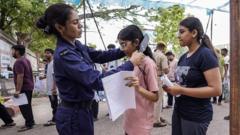
Medical Exam Retaken Following Serious Paper Leak Allegations
A significant medical exam underwent complete reschedule as authorities implemented stringent protocols to address concerns surrounding a critical paper leak incident. The medical exam paper leak prompted unprecedented security arrangements designed to restore confidence in the examination process and ensure fair assessment for all participating candidates.
Enhanced Security Framework Implemented
Examination officials deployed comprehensive protective measures to prevent any recurrence of irregularities. The security infrastructure now includes mandatory biometric verification systems at all examination centers, requiring candidates to undergo fingerprint scanning and facial recognition technology before accessing test halls.
Personnel Screening and Physical Searches
Beyond biometric identification, examination staff conducted thorough physical frisking of all attendees entering secured zones. This intensive screening procedure represents a substantial escalation from previous examination protocols, reflecting the gravity of allegations that compromised the integrity of earlier test administration.
Military Deployment Ensures Paper Safety
In an extraordinary measure, air force personnel were stationed at critical locations to oversee the custody and transportation of examination materials. Military involvement in civilian examination administration underscores governmental commitment to preventing unauthorized access to confidential test content before administration to candidates.
Air Force Role in Logistics Management
Armed forces personnel managed the distribution chain for examination papers, supervising secure facilities where materials remained under constant surveillance. This military oversight extended from initial paper preparation through final delivery to individual examination centers, eliminating potential vulnerabilities in the supply chain.
Scale of Examination Challenge
The medical entrance examination accommodates millions of candidates annually, making the scope of this rescheduled test unprecedented in administrative complexity. Coordinating enhanced security protocols across numerous examination centers nationwide required extensive planning and resource allocation to maintain examination schedule continuity.
Investigation into Paper Leak Origins
Authorities initiated comprehensive investigations to identify individuals responsible for the alleged paper leak and determine how confidential examination materials reached unauthorized persons before scheduled test administration. These inquiries focused on identifying system vulnerabilities within examination management infrastructure.
Candidate Experience Under New Protocols
Millions of students navigated the modified examination procedures, adapting to extended check-in periods and intensive security screening. Despite logistical challenges, candidates acknowledged that comprehensive security measures addressed legitimate concerns regarding examination fairness and equitable assessment.
Implications for Future Examination Administration
The incident prompted widespread discussion about modernizing examination security frameworks across Indian educational institutions. Officials pledged to maintain heightened vigilance in protecting sensitive academic materials and implementing technological solutions to detect unauthorized access attempts.
Technology Integration Moving Forward
Digital security enhancements were proposed to complement physical security measures, including encrypted examination material storage, real-time tracking systems, and advanced monitoring technologies designed to identify suspicious activities throughout examination administration.
Restoring Public Confidence
Systematic implementation of strengthened security protocols aimed to rebuild stakeholder confidence in examination legitimacy and fairness. Transparent communication regarding security arrangements helped assure candidates, parents, and educators that comprehensive safeguards protected examination integrity.
The rescheduled medical examination represented a significant test of institutional capacity to respond decisively to credibility challenges. Through coordinated deployment of security resources and technological innovations, examination authorities demonstrated commitment to maintaining standards essential for equitable assessment of medical entrance qualifications across the nation.


