
Trump's Impact on NATO's European Rearmament Strategy
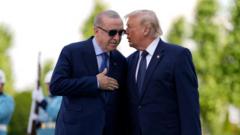
Trump's Influence on NATO's European Rearmament Challenge
As NATO confronts the pressing necessity to strengthen European military capabilities, Trump's controversial statements continue to shape the diplomatic landscape surrounding NATO European rearmament efforts. The president's combative rhetoric has created an undercurrent of tension that threatens to undermine the carefully constructed consensus at this pivotal international gathering, according to security analysts monitoring the situation.
Tensions Undermining Alliance Unity
The current NATO summit represents a critical juncture for member states attempting to coordinate a comprehensive defense modernization strategy. However, Trump's inflammatory remarks have consistently eclipsed discussions about substantive policy matters. Security Correspondent Frank Gardner notes that the president's divisive language has become a dominant feature of proceedings, competing for attention alongside genuine strategic concerns about European military preparedness and resource allocation.
Member nations had hoped to present a unified front on defense spending commitments and military infrastructure development. Instead, the focus has repeatedly shifted to interpreting the president's latest comments and assessing potential implications for American commitment to collective defense obligations. This dynamic reflects broader anxieties about the stability and predictability of transatlantic security partnerships.
European Defense Spending Complexities
European nations face mounting pressure to substantially increase military expenditures in response to geopolitical threats. The challenge of financing advanced weapons systems, modernizing legacy equipment, and expanding personnel training requires unprecedented fiscal commitment from governments already managing domestic budget constraints. Trump's criticism of NATO members' spending levels, while not entirely unfounded from a technical perspective, has complicated rather than facilitated productive dialogue about achieving these necessary increases.
NATO's Strategic Priorities Amid Discord
The alliance must balance multiple competing priorities: maintaining equipment interoperability, investing in emerging technologies, addressing cybersecurity vulnerabilities, and responding to conventional military challenges. Each objective requires coordinated planning and resource synchronization across diverse national defense establishments with varying capabilities and strategic doctrines.
The rearmament strategy encompasses modernizing air defense systems, expanding naval capabilities in contested waters, strengthening land forces in threatened regions, and developing comprehensive cyber defense infrastructure. Implementation demands sustained political commitment and sustained funding that can withstand domestic political pressures across multiple countries.
Diplomatic Implications of Presidential Rhetoric
When presidential communications prioritize confrontational messaging over collaborative problem-solving, diplomatic negotiations become substantially more difficult. European leaders must simultaneously manage their domestic constituencies while maintaining productive relationships with Washington. The uncertainty created by unpredictable statements complicates long-term military planning and defense procurement decisions that typically span multiple years.
Trump's approach contrasts sharply with traditional methods of alliance management, which emphasize consensus-building and careful coordination of messaging. The current approach has left many NATO participants uncertain about American reliability as a security guarantor, potentially influencing their independent military development decisions.
Path Forward for NATO European Rearmament
Despite the challenging atmosphere, NATO members recognize that strengthening European military capabilities remains essential regardless of American political dynamics. The alliance must develop rearmament strategies that accommodate varying national interests while building genuine deterrent capabilities. This requires pragmatic dialogue focused on achievable objectives rather than responding to rhetorical provocations.
Security specialists emphasize that successful rearmament depends on sustained commitment extending beyond individual political administrations. Members must establish defense spending patterns, technology development initiatives, and logistical frameworks that prove resilient to shifting political winds, while simultaneously working to stabilize the transatlantic relationship through professional military-to-military cooperation and technical coordination mechanisms.


