Trump Says He Would Love to See United Ireland
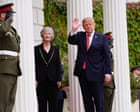
Trump Expresses Support for United Ireland
During an official visit to the Republic of Ireland, US President Donald Trump made striking comments about a united Ireland, declaring he would "love" to see the island unified. The statement came at the beginning of his two-day visit on Saturday and immediately captured international attention due to its political implications regarding one of Europe's most sensitive constitutional questions.
Trump's remarks on united Ireland were presented as a forward-looking perspective on the future of Irish politics. According to his statements, the president suggested that unification "may as well happen now" rather than waiting for an indefinite future date. This unexpected intervention in Irish affairs represented a notable diplomatic moment, particularly given the historical complexity surrounding Irish partition and the constitutional status of Northern Ireland.
International Reaction to Trump's United Ireland Comments
The US president's comments on united Ireland prompted swift and significant responses from multiple governments and political leaders. The UK government issued a formal rebuttal to Trump's statements, emphasizing the importance of respecting established constitutional arrangements and democratic processes. This reaction underscored the sensitive nature of discussions surrounding Irish unification and the international dimensions of Irish constitutional questions.
Northern Ireland's unionist leaders also responded quickly to the united Ireland remarks. Unionist political figures expressed concern about external interference in matters they consider primarily domestic to Northern Ireland and the United Kingdom. The strength of these responses reflected the deeply held political positions regarding the constitutional status of the territory and highlighted how Trump's comments touched upon fundamental questions of identity and governance.
Context of Trump's Visit to Ireland
Trump's two-day visit to Ireland provided the platform for his remarks on united Ireland. The visit represented significant diplomatic engagement between the United States and the Irish Republic. Presidential visits to Ireland typically focus on cultural ties, trade relationships, and historical connections between Irish and Irish-American communities. However, Trump's intervention on the constitutional future of the island added an unexpected political dimension to the official visit.
The timing of the united Ireland comments during a state visit illustrated how presidential statements can carry considerable weight in international affairs, even when addressing matters traditionally considered within the sovereignty of other nations. The remarks sparked discussions about the appropriate role of foreign leaders in commenting on internal constitutional questions affecting other countries.
Historical Context of Irish Unification Debates
The question of united Ireland remains one of the most significant political issues in Irish and British politics. The partition of Ireland in 1921 created the Irish Free State, which eventually became the Republic of Ireland, while six counties in the north remained part of the United Kingdom. This division has shaped political discourse on the island for over a century and continues to influence contemporary politics.
Discussions about united Ireland typically involve complex considerations regarding democratic consent, constitutional arrangements, and the rights and preferences of populations in both the Republic and Northern Ireland. The Good Friday Agreement of 1998 established a framework for peace and outlined procedures for potential constitutional change, including provisions for a border poll if significant demographic or political shifts occurred.
Implications of Trump's Statement on United Ireland
Trump's endorsement of a united Ireland raises questions about how international political figures engage with contested constitutional matters. While the president may have intended his remarks as a positive vision for Ireland's future, they illustrate the complexity of international diplomacy and the sensitivity surrounding Irish partition. The statement generated considerable debate about whether foreign leaders should intervene in such matters and what motivations might underlie such interventions.
The focus on united Ireland during the presidential visit also reflected broader themes of Irish identity and historical grievances that remain relevant in contemporary politics. For many Irish citizens and political figures, the question of national unification carries profound symbolic and practical significance extending beyond mere constitutional technicalities.
Government Responses and Diplomatic Fallout
Following Trump's united Ireland comments, diplomatic responses emphasized the importance of established legal frameworks and democratic processes. Government officials underscored that constitutional changes affecting the status of Northern Ireland require proper democratic procedures and respect for the wishes of affected populations. These responses sought to contextualize the president's remarks within the broader framework of international law and constitutional governance.
The incident demonstrated how presidential statements, particularly from leaders of major powers like the United States, can quickly become international news and generate significant diplomatic responses. It also highlighted the ongoing sensitivity surrounding Irish unification as a political topic, despite decades of relative stability following the Good Friday Agreement.