Cautious Rate Hikes Risk Prolonged UK Inflation
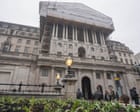
Cautious Monetary Policy Under Scrutiny
The Bank of England's inflation response faces mounting criticism from leading economic researchers, with the National Institute of Economic and Social Research (Niesr) warning that cautious rate adjustments could perpetuate elevated inflation pressures across the British economy. The thinktank's assessment suggests the central bank's measured approach to raising interest rates may ultimately necessitate sustained higher rates to combat persistent price growth.
Niesr's Critical Analysis
In a comprehensive evaluation of current monetary policy strategies, Niesr has raised significant concerns about the effectiveness of the Bank of England's recent actions. The organization argues that the incremental nature of recent interest rate increases represents an insufficiently forceful response to the inflationary environment currently affecting UK households and businesses.
According to the research institute's projections, the hesitant approach to monetary tightening could result in inflation remaining above the Bank's established 2% target well into the next decade. This extended timeline presents considerable challenges for economic planning and household financial decisions across the nation.
Inflation Persistence and Economic Consequences
The thinktank's analysis indicates that timid rate adjustments risk embedding inflation more deeply into economic expectations and behaviors. When central banks fail to demonstrate sufficient commitment to price stability through decisive action, businesses and consumers may adjust their inflation expectations upward, creating self-fulfilling prophecies that sustain elevated price growth.
Niesr emphasizes that prolonged inflation above target levels can undermine consumer purchasing power, erode savings, and distort investment decisions. The resulting economic uncertainty makes long-term planning more difficult for both individuals and corporate entities, potentially dampening business investment and job creation.
The Dilemma of Gradual Rate Increases
The Bank of England's incremental approach reflects a complex balancing act between controlling inflation and minimizing economic disruption. However, Niesr contends that this gradualism may prove counterproductive, requiring even higher interest rates maintained over extended periods to achieve price stability.
The thinktank's projections suggest that inflation could remain above the 2% target until at least 2030 if current monetary policy trajectories continue unchanged. This represents a significant deviation from historical patterns and central bank objectives, underscoring the potential costs of inadequate initial action.
Policy Implications and Future Outlook
The critique from Niesr carries particular weight given the institute's standing within the UK economic policy community. The organization's warnings suggest that policymakers should consider more robust responses to inflationary pressures rather than relying on gradual incremental adjustments.
The debate over appropriate monetary policy intensity reflects broader disagreements among economists about the best strategies for maintaining price stability while supporting sustainable economic growth. Niesr's position advocates for more decisive action, arguing that bold initial measures could ultimately result in lower average interest rates over time compared to prolonged moderate increases.
Broader Economic Implications
Beyond the immediate concerns about interest rate levels and inflation targets, Niesr's analysis highlights the interconnected nature of monetary policy decisions. The thinktank's research suggests that insufficient inflation-fighting measures now could create cascading economic consequences, affecting wage growth, purchasing power, employment levels, and overall economic performance.
The central bank's recent interest rate increase represented the first adjustment in over three years, marking a significant shift in monetary policy direction. Yet despite this move, Niesr maintains that the magnitude and pace of adjustment remain inadequate for effectively addressing the underlying inflationary dynamics currently reshaping the British economy.