
Trump Abandons 20% Strait Tax as US Navy Escalates Iran Port Operations
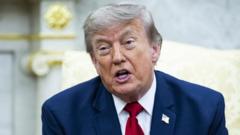
Trump Reverses Hormuz Strait Toll Proposal
The United States has witnessed a significant policy reversal regarding the Hormuz strait blockade strategy. Donald Trump has abandoned his controversial 24-hour-old proposal to impose a 20% fee on all commercial vessels transiting through the critical waterway, reversing course amid international pressure and strategic reconsideration of broader Iran containment objectives.
This abrupt decision to withdraw the tariff threat represents a notable shift in the administration's tactical approach, even as Washington continues its military presence in the region. The Hormuz strait blockade remains central to US efforts to constrain Iran's economic capabilities and regional influence.
Continued Naval Operations in the Strait
Despite abandoning the cargo fee initiative, the United States has intensified its operational activities targeting Iranian maritime commerce. The American military continues to maintain a robust naval presence throughout the Persian Gulf region, focusing efforts on disrupting Iranian port operations and restricting the movement of vessels engaged in trade with Tehran.
The Hormuz strait blockade strategy reflects broader Washington policy aimed at denying Iran access to international shipping lanes. US Navy assets have been repositioned to monitor and intercept vessels suspected of conducting commerce with Iranian ports, reinforcing economic isolation measures that have been in place for years.
Strategic Implications of Policy Reversal
The sudden reversal on the Hormuz strait blockade toll demonstrates internal administration divisions on optimal Iran containment strategy. While the 20% fee concept was intended to generate revenue while restricting traffic, policymakers ultimately determined the approach could provoke unprecedented international backlash from key allies dependent on Gulf shipping routes.
Energy markets and global commerce experienced uncertainty during the brief window when the toll proposal remained under consideration. The removal of this additional tariff threat has provided temporary relief to shipping companies operating in the region, though the underlying Hormuz strait blockade and port disruption operations continue unchanged.
Iran Port Blockade Operations
US military operations targeting Iran's maritime infrastructure represent the most aggressive aspect of current containment policy. Naval forces have established monitoring systems designed to track and intercept cargo destined for Iranian ports, with particular focus on petroleum exports and strategic imports essential to Tehran's economy.
The Iran port blockade strategy operates through multiple enforcement mechanisms, including carrier strike groups positioned throughout the Persian Gulf. These assets conduct surveillance operations, board vessels suspected of violating sanctions protocols, and coordinate with allied navies to prevent circumvention of trading restrictions on Iranian commerce.
International Response and Shipping Concerns
Global maritime stakeholders have expressed significant concern regarding the Hormuz strait blockade situation and potential escalation. Commercial shipping companies operating in the region face uncertainty about whether additional unilateral fees might be imposed, despite Trump's decision to shelve the immediate proposal.
The continuing operational restrictions on Iran's maritime access have already disrupted normal trading patterns and elevated insurance costs for vessels transiting the waterway. Insurance premiums reflect the substantial risks associated with operating near American naval concentrations and the ongoing Iran port blockade operations.
Future Policy Direction
While Trump has reversed the immediate toll proposal, the administration has not indicated any intention to reduce military pressure on Iran's maritime sector. The Hormuz strait blockade apparatus remains firmly in place, with continued resource allocation supporting interdiction operations and surveillance activities.
The reversal appears tactical rather than strategic, suggesting that policymakers may be exploring alternative approaches to achieving similar objectives regarding Iran's economic isolation. Future announcements regarding maritime policy could introduce new mechanisms designed to restrict Iranian commerce without implementing direct cargo fees on international shipping.
The decision to maintain operational blockade activities while withdrawing the toll proposal reflects a calculated attempt to preserve economic containment objectives while minimizing political costs with international trading partners. This approach allows continued pressure on Iran through naval force while avoiding the explicit pricing mechanism that generated criticism from global commerce interests.


