Tai Chi and Chinese Exercises Proven for Musculoskeletal Health
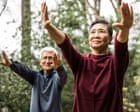
Comprehensive Evidence Supporting Traditional Chinese Movement Practices
A groundbreaking systematic review has provided compelling scientific validation for tai chi musculoskeletal benefits, demonstrating that traditional Chinese movement practices deliver substantial therapeutic advantages for individuals struggling with musculoskeletal disorders. This landmark analysis represents the most extensive examination to date of how ancient Eastern exercise techniques can meaningfully enhance physical health outcomes across diverse populations.
The research reveals that tai chi musculoskeletal applications extend far beyond simple physical activity. These traditional practices address multiple interconnected health dimensions simultaneously, offering integrated wellness benefits that conventional treatment approaches often fail to deliver comprehensively.
Global Musculoskeletal Health Challenge
Approximately 1.7 billion individuals globally experience musculoskeletal conditions, representing one of the most prevalent health challenges affecting modern society. This staggering prevalence transcends geographical boundaries, age demographics, and socioeconomic backgrounds, impacting communities across every continent and nation worldwide.
The widespread nature of these conditions underscores the critical importance of identifying accessible, cost-effective therapeutic interventions. Many individuals with musculoskeletal disorders face limited treatment options, making alternative approaches increasingly valuable for comprehensive health management.
Documented Benefits of Tai Chi Practice
The comprehensive review identified multiple significant improvements associated with regular tai chi engagement. These benefits encompass:
Physical Function Enhancement: Practitioners demonstrate measurable improvements in mobility, balance, and functional capacity, enabling greater independence in daily activities and improved quality of life.
Pain Reduction: Systematic analysis confirms substantial pain relief mechanisms, with participants reporting decreased discomfort levels and reduced reliance on pharmaceutical interventions.
Mental Health Improvements: Beyond physical benefits, tai chi practice generates profound psychological advantages, including reduced anxiety, enhanced emotional resilience, and improved overall mental well-being.
Sleep Quality Enhancement: Participants consistently report deeper, more restorative sleep patterns following regular practice, addressing one of the most commonly reported complications associated with chronic musculoskeletal conditions.
Bone Mineral Density: Evidence demonstrates that tai chi training strengthens skeletal integrity, reducing osteoporosis risk and fracture vulnerability among aging populations.
High-Certainty Evidence Standards
The review achieved rigorous "high certainty evidence" classification according to established medical research standards. This designation indicates that findings rest upon substantial, consistent data from multiple well-designed studies, providing robust confidence in documented outcomes.
This level of scientific validation represents a significant milestone for traditional Chinese exercise modalities, elevating their status within mainstream medical discourse and supporting their integration into comprehensive treatment protocols.
Implications for Treatment Strategies
These findings suggest that healthcare systems should consider incorporating tai chi and similar traditional Chinese exercises into standard musculoskeletal disorder management programs. Such integration could reduce healthcare burdens while improving patient outcomes across multiple health dimensions simultaneously.
The accessibility and low-cost nature of tai chi practice makes it particularly suitable for resource-limited healthcare environments, potentially addressing health disparities affecting vulnerable populations worldwide.
Future Directions for Research and Implementation
Ongoing investigation should explore optimal practice frequencies, duration requirements, and individualized modifications for specific musculoskeletal conditions. Healthcare providers increasingly recognize that personalized tai chi programs tailored to individual patient needs may maximize therapeutic effectiveness and long-term adherence.
As evidence continues accumulating, traditional Chinese movement practices are positioning themselves as essential components of comprehensive, holistic approaches to musculoskeletal health management globally.