Remove Clutter to Revive High Streets, Says Urban Thinktank
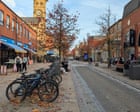
Strategic Approach to High Street Revitalization
High streets revitalization has become a critical concern for policymakers across the United Kingdom. A comprehensive report from the urban thinktank Create Streets proposes that addressing the ongoing decline of commercial districts need not require extravagant financial investments. Instead, high streets revitalization could be achieved through strategic, cost-effective interventions that fundamentally transform public spaces.
The research challenges conventional wisdom by demonstrating that aesthetic improvements and thoughtful urban planning can deliver measurable results without straining municipal budgets. Rather than pursuing multimillion-pound comprehensive redevelopment projects, the findings suggest that targeted modifications to streetscape elements and traffic management could prove significantly more effective.
The Cost-Effective Alternative to Major Revamps
Traditional approaches to regenerating struggling town centers have typically involved substantial capital expenditure. However, the Create Streets analysis reveals a fundamentally different pathway. By focusing on eliminating visual obstructions and unnecessary infrastructure, communities can achieve meaningful transformation at a fraction of conventional costs.
The report emphasizes that high streets revitalization does not necessarily demand grand architectural schemes or luxury developments. Instead, practical interventions such as removing unnecessary street furniture, clearing sight lines, and creating pedestrian-friendly zones can substantially enhance the appeal of commercial districts. These modifications address the core issues that discourage shoppers from visiting struggling retail areas.
Traffic Restrictions and Pedestrian Space Enhancement
A central recommendation involves restricting vehicular access to certain areas and repurposing the recovered pavement space for pedestrian activities. This approach serves multiple objectives simultaneously. By reducing car presence, towns can diminish air pollution, noise pollution, and visual congestion. Simultaneously, the expanded pedestrian zones create opportunities for outdoor seating, market stalls, and community gatherings.
Municipalities implementing such changes have observed increased foot traffic and extended shopping visits. When pedestrians feel safe, comfortable, and welcomed in public spaces, their propensity to patronize local businesses increases substantially. The transformation from car-dominated streets to people-focused environments fundamentally alters the character and viability of high streets.
Addressing Visual Clutter and Urban Aesthetics
The research identifies excessive visual clutter as a primary factor deterring shoppers from struggling high streets. Advertising billboards, fragmented signage, poorly maintained infrastructure, and haphazard utility installations create a chaotic, uninviting atmosphere. The Create Streets report argues for systematic removal of unnecessary elements that contribute to visual disorder.
This decluttering process need not compromise commercial interests. Strategic reduction of signage, consolidation of utility infrastructure, and removal of abandoned fixtures can actually enhance the visibility and appeal of legitimate retail establishments. When visual noise decreases, individual shops and services receive greater prominence and customer attention.
Comparative Success Stories and Implementation Models
Several British municipalities have already begun experimenting with these principles, with encouraging results. Towns that have implemented traffic restrictions, pedestrian zone expansions, and visual decluttering initiatives have reported increased visitor numbers and improved retailer sentiment. These cases demonstrate that high streets revitalization through affordable means is entirely achievable.
The financial advantages extend beyond initial implementation costs. Maintaining simplified street environments requires less ongoing investment than managing complex infrastructure or constantly refreshing expensive installations. Communities benefit from sustained improvements rather than temporary cosmetic interventions.
Building Sustainable Urban Environments
Beyond immediate commercial benefits, the approach outlined in the Create Streets report contributes to broader urban sustainability objectives. Reduced vehicle traffic diminishes carbon emissions and improves air quality. Enhanced pedestrian spaces encourage walking and cycling as transportation modes. These environmental benefits align with national climate commitments while simultaneously revitalizing struggling commercial districts.
The integration of community spaces, outdoor markets, and social gathering areas transforms high streets from purely commercial zones into vibrant neighborhood destinations. This multifunctional approach to high streets revitalization creates resilient communities better positioned to withstand long-term economic shifts in retail patterns.
Policy Recommendations and Implementation Framework
The report advocates for revised planning policies that prioritize pedestrian experience and visual coherence over automobile accommodation. Local authorities are encouraged to conduct comprehensive audits of their streetscapes, identifying unnecessary elements for removal and opportunities for traffic rationalization. Strategic investment in remaining infrastructure should emphasize quality and durability over quantity.
Financial resources previously allocated to major redevelopment projects could be redirected toward systematic implementation of these improvements. The cumulative effect of multiple small-scale interventions often exceeds that of single large projects, while distributing benefits more equitably across communities.