
Starmer Reveals Personal Reasons Behind Unexpected Political Exit in Exclusive BBC Interview
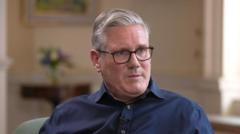
Starmer Addresses Resignation in Candid BBC Interview
In a remarkably transparent conversation with the BBC, the departing Prime Minister provided unprecedented insight into his decision to resign from office. Starmer resignation BBC interview revealed the deeply personal nature of his choice to step away from the highest office in UK politics, describing the moment as extraordinarily challenging both professionally and personally.
The former PM acknowledged that accepting the end of his political trajectory proved emotionally taxing. In his characteristic measured tone, he explained how the weight of this monumental decision had affected him throughout the transition period. This marks one of the most revealing public statements from Starmer since announcing his departure from 10 Downing Street.
The Emotional Toll of Stepping Down
During the interview, Starmer opened up about the psychological difficulty inherent in concluding a long political career. He described the internal struggle of coming to terms with leaving behind a position he had worked toward for decades. The candid nature of his remarks stood in stark contrast to his typically reserved public demeanor, offering viewers a rare glimpse into his personal reflections.
His comments resonated with the gravity of the moment, as he grappled with explaining why someone at the peak of their political influence would voluntarily relinquish such power. The BBC interview served as a platform for Starmer to frame his narrative before potential successors began positioning themselves for leadership roles.
Warnings Directed at Burnham
Within the same interview, Starmer issued cautionary remarks toward Andy Burnham, the prominent Labour figure widely regarded as a potential successor. The implicit warnings suggested tensions within party circles regarding future leadership direction and policy continuity. These comments hinted at ideological differences or strategic disagreements that may have influenced party dynamics during this transitional period.
Burnham, who has maintained significant support among grassroots Labour members and held prominent regional positions, appeared to be the implicit focus of Starmer's cautionary statements. The targeted nature of these warnings suggested underlying concerns about how the party might evolve under different leadership, particularly regarding policy priorities and political positioning.
Political Implications and Party Uncertainty
The timing of this BBC interview underscored the fluid political landscape within Labour as various figures began maneuvering for influence. Starmer's decision to resign represented a significant turning point, creating opportunities for ambitious politicians while simultaneously raising questions about party unity and direction moving forward.
Political analysts noted that Starmer's candid approach represented a strategic effort to shape the narrative surrounding his departure. By controlling the initial messaging through a major broadcaster, he attempted to establish the terms through which his resignation would be remembered and discussed within political and media circles.
Reflection on Political Legacy
Beyond the immediate resignation, Starmer's comments reflected broader themes about political ambition, personal sacrifice, and the complexities of high office. His willingness to discuss the emotional dimensions of his decision humanized the political process, presenting resignation not merely as a tactical maneuver but as a deeply considered personal choice.
The interview demonstrated how even figures at the pinnacle of political power grapple with fundamental questions about career, legacy, and personal fulfillment. Starmer's transparency in this regard contrasted sharply with the carefully managed public personas typically maintained by senior politicians throughout their tenure in office.
Looking Forward: The Labour Party's Future Direction
As Labour contemplates its path forward, Starmer's resignation creates a pivotal moment for the party. The incoming leadership will face significant challenges, including maintaining party cohesion, responding to parliamentary opposition, and charting a policy direction that satisfies diverse internal constituencies.
Starmer's interview contributions, particularly his warnings to potential successors like Burnham, suggest that the departing PM remains invested in shaping his party's future trajectory. This ongoing involvement indicates that former Prime Ministers maintain considerable influence even after formally leaving office, particularly when they command respect within their party ranks.
The BBC interview represents more than simply announcing a resignation; it serves as a statement of principle, a defense of his record, and ultimately, a contribution to ongoing debates about Labour's identity and direction. Through candid reflection on his intensely personal decision, Starmer has ensured that his voice remains central to discussions about the party's future, even as new leadership emerges.


