
Severe Thunderstorms Disrupt Hundreds of Heathrow and Gatwick Flights
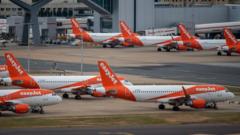
Heathrow Gatwick Flight Delays Impact Hundreds of Passengers
A significant travel disruption has unfolded at two of Britain's busiest aviation hubs, with Heathrow Gatwick flight delays affecting more than 900 scheduled services. The widespread operational challenges stem from severe weather conditions developing across the southern regions of the United Kingdom, creating substantial headaches for airlines and passengers alike.
The Scale of the Disruption
Both Heathrow and Gatwick airports have experienced considerable congestion as meteorological systems swept through the airspace south of the UK. The Heathrow Gatwick flight delays represent one of the more significant weather-related incidents in recent weeks, with carriers working overtime to manage rescheduling and passenger accommodations. Airlines have reported cascading delays affecting multiple departure and arrival slots throughout the day.
Thunderstorm Activity and Aviation Impact
The primary cause of these operational difficulties centers on intense thunderstorm activity that has developed south of major UK population centers. Air traffic control authorities have implemented holding patterns and revised routing procedures to ensure safety remains the paramount concern. These weather-induced delays underscore the challenges airports face when atmospheric conditions deteriorate unexpectedly.
Passenger Effects and Travel Recommendations
Travelers heading through these major hubs are experiencing prolonged wait times and schedule changes. The Heathrow Gatwick flight delays have prompted airport authorities to issue travel advisories, urging passengers to check directly with their airlines for real-time information about their specific flights. Many passengers faced extended layovers and connections disruptions as a ripple effect of the initial weather impact.
Airline Response Measures
Aviation operators have activated contingency protocols to manage the elevated volume of delayed aircraft. Ground crews have worked diligently to minimize the total impact, though the sheer magnitude of affected services complicated rapid recovery. Airlines communicated with affected passengers regarding meal vouchers, accommodation options where applicable, and rebooking possibilities on alternative services.
Weather Pattern Analysis
Meteorologists attribute the system to frontal weather approaching from the Atlantic, bringing heavy precipitation and occasional lightning activity. The convergence of warm and cool air masses created conditions favorable for thunderstorm development. While such weather events occur seasonally, the intensity and geographical extent of this particular system amplified the aviation impact significantly.
Airport Infrastructure and Weather Resilience
Modern airports possess sophisticated weather monitoring equipment and protocols designed to minimize disruptions during severe conditions. Despite these technological advantages, the physics of thunderstorm activity sometimes necessitates operational adjustments that inherently reduce throughput. Both facilities maintained safety as their overriding operational principle throughout the disruption.
Recovery Timeline and Future Outlook
As atmospheric conditions gradually improved, airports began incrementally restoring normal operations. However, the Heathrow Gatwick flight delays extended into evening services as the system caused residual scheduling complications. Recovery from such widespread disruptions typically requires several hours as the queued traffic clears and regular schedules resume.
Passengers planning future travel during uncertain weather seasons are advised to maintain flexibility with bookings and remain in close contact with their chosen carriers. The incident demonstrates why traveler insurance and proactive communication prove valuable when navigating air transportation networks that span dynamic weather zones. Airports continue monitoring atmospheric developments to provide timely updates to the traveling public.


