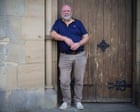
Sir Christopher Ondaatje, Philanthropist Behind Major Gallery Expansion
A Successful Career Transition in 1988
Sir Christopher Ondaatje emerged as one of Canada's most influential figures, combining a thriving career in business with significant philanthropic endeavors. In 1988, after achieving considerable financial success as a publisher and stockbroker operating within the Canadian stock exchange, he made a pivotal decision that would reshape his life's trajectory. During an appearance on BBC Radio 4's Desert Island Discs in 2002, Ondaatje reflected on this transformative moment, explaining how a holiday in Tanzania served as the catalyst for his dramatic career shift.
Rather than continuing to accumulate wealth through traditional business channels, Sir Christopher Ondaatje chose a different path. He resolved to step away from his publishing and stockbroking interests entirely, prioritizing instead what he termed "having fun." This reorientation encompassed international travel, literary pursuits, quality time with loved ones, and most importantly, substantial charitable contributions that would leave an enduring imprint on Britain's cultural institutions.
Establishing a Personal Haven and Philanthropic Base
Before dedicating himself fully to charitable work, Ondaatje secured Glenthorne, an expansive 19th-century residence nestled in a secluded coastal location north of Exmoor. This acquisition provided him not merely with a personal sanctuary but also served as a symbolic turning point—a home base from which his philanthropic vision could flourish. The property's remote seaside setting reflected his desire to balance personal retreat with public service.
Major Contributions to British Cultural Institutions
With his business career behind him, Sir Christopher Ondaatje strategically directed his resources toward several prestigious British organizations. His philanthropic portfolio included substantial investments in the National Portrait Gallery, one of Britain's most celebrated art institutions, where his funding proved instrumental in facilitating a significant new wing expansion. Beyond portraiture, he recognized the importance of geographical knowledge and exploration, supporting the Royal Geographical Society's mission to advance understanding of world cultures and environments.
The Royal Society of Literature also benefited considerably from his generosity, receiving crucial funding that strengthened its capacity to promote literary excellence and scholarship across the United Kingdom. Additionally, demonstrating his commitment to political and social progress, Ondaatje provided financial support to the Labour Party, reflecting his conviction that diverse institutions—cultural, geographical, and political—collectively strengthened society.
A Business-Minded Approach to Philanthropy
What distinguished Sir Christopher Ondaatje's charitable work was his methodical, research-driven methodology. Rather than distributing funds haphazardly, he approached philanthropic decisions with the same rigor and strategic thinking that had characterized his business success. Before committing substantial resources to any institution, Ondaatje conducted thorough investigations into how his contributions could genuinely transform organizational capacity and impact.
This analytical approach ensured that each donation aligned with clear institutional needs and ambitious improvement plans. By treating charitable giving as seriously as corporate transactions, Sir Christopher Ondaatje maximized the effectiveness of his wealth redistribution, creating lasting legacies within the organizations he supported. His methodology became a model for thoughtful, strategic philanthropy in Britain.
Legacy and Impact
Sir Christopher Ondaatje's life exemplified a remarkable transformation from aggressive wealth accumulation to deliberate wealth distribution. His decision to abandon business pursuits at the height of his success represented an uncommon choice, yet one that demonstrated genuine commitment to cultural advancement and institutional strengthening. Through his funding of the National Portrait Gallery's expansion and support for other distinguished organizations, he secured a place among Britain's most consequential private patrons of the late twentieth century.