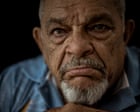
Shepard Fairey Creates Burnham Portrait for Big Issue

Renowned Street Artist Shepard Fairey Tackles Homelessness Crisis
In a powerful artistic statement aimed at pressing social responsibility, acclaimed street artist Shepard Fairey has created a striking portrait of UK Prime Minister Andy Burnham for the Big Issue cover. This latest commission represents a significant moment in Fairey's career, channeling his iconic artistic voice toward a contemporary social cause that demands urgent attention from political leadership.
The Shepard Fairey Burnham portrait emerges from the artist's commitment to visual activism, drawing on techniques that have made his work instantly recognizable worldwide. Rather than merely decorating a magazine cover, this artistic intervention serves as a public statement about the government's promises regarding rough sleeping and homelessness.
From Obama's Hope to UK Policy Accountability
Shepard Fairey's reputation was cemented through his revolutionary "Hope" portrait of Barack Obama during the 2008 presidential campaign. That iconic image transcended typical political art, becoming a cultural phenomenon that defined an era and earned its place in the Smithsonian Institution's permanent collection. The portrait's influence reshaped expectations for political imagery in the modern age.
Now, nearly two decades later, the artist applies his distinctive style and social consciousness to a different challenge on different shores. The Burnham portrait maintains Fairey's characteristic bold lines, high-contrast color palette, and digestible visual messaging—elements that made the Obama image so effective at communicating ideals and aspirations.
A Visual Reminder of Political Promises
The creation of this Big Issue cover represents more than artistic collaboration; it constitutes a deliberate strategy to maintain public scrutiny over government commitments. Fairey explicitly stated that the image functions as a mechanism to hold the Prime Minister accountable regarding his explicit vow to remove rough sleeping from UK streets.
This approach reflects the street artist's long-standing philosophy that art serves essential civic functions beyond aesthetic appreciation. Throughout his career, Fairey has demonstrated that powerful visual communication can crystallize public consciousness around critical social issues, from environmental concerns to political representation and now to housing inequality.
The Role of Street Art in Social Commentary
Street art and commercial art have traditionally occupied separate spheres, yet Shepard Fairey has continuously bridged this divide. His willingness to engage with mainstream publications like the Big Issue illustrates how contemporary artists leverage multiple platforms to amplify messages about societal challenges.
The Big Issue itself holds particular significance as a publication dedicated to raising awareness about homelessness while supporting vendors experiencing housing instability. Featuring the Shepard Fairey Burnham portrait on its cover creates a natural alignment between the magazine's mission and the artist's social activism.
Rough Sleeping in the United Kingdom
The focus on rough sleeping reflects an ongoing crisis affecting thousands of individuals across UK cities and towns. The issue encompasses complex factors including mental health challenges, economic hardship, lack of affordable housing, and systemic gaps in social support infrastructure.
By commissioning this portrait for the Big Issue, stakeholders hope to reinvigorate public and political attention toward homelessness solutions. The visual impact of Shepard Fairey's work provides a counterpoint to statistics and policy documents, offering an emotionally resonant reminder of unfulfilled commitments.
Artistic Legacy and Contemporary Relevance
Shepard Fairey's continued engagement with socially conscious projects demonstrates that his artistic practice remains committed to meaningful communication rather than commercial exploitation. The Burnham portrait selection indicates that his reputation and visual language continue commanding attention in important cultural conversations.
This exclusive commission underscores how established artists can contribute to public discourse without abandoning their core principles. The portrait serves simultaneously as art, journalism, and activism—a multivalent approach that reflects contemporary expectations for cultural production.
Implications for Government Accountability
The Shepard Fairey Burnham portrait arrives at a critical moment in discussions about homelessness policy. Public figures face increasing expectations for transparency and measurable progress toward stated objectives, particularly regarding vulnerable populations.
By creating this work for the Big Issue, Fairey contributes to the broader ecosystem of accountability mechanisms that includes journalism, advocacy organizations, and grassroots activism. Visual art occupies a unique position within this landscape, capable of penetrating public consciousness in ways that traditional reporting sometimes cannot achieve.
The portrait's presence will remind viewers of specific promises made regarding rough sleeping elimination while questioning whether current policies adequately address the scale and complexity of homelessness in contemporary Britain.