Shingles Vaccine and Dementia Risk: Share Your Experience
Shingles Vaccine and Dementia Risk: Your Story Matters
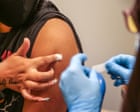
Recent research has sparked significant interest in the connection between shingles vaccine dementia prevention, prompting many individuals to seek vaccination through both NHS and private healthcare providers. We are actively seeking personal accounts from people who have made the decision to receive the shingles vaccine specifically with the intention of potentially reducing their dementia risk.
Growing Interest in Shingles Vaccination
The landscape of preventive healthcare has shifted considerably in recent years. Medical studies examining the relationship between shingles vaccination and cognitive decline have captured public attention, leading to a notable surge in demand for the herpes zoster vaccine. Healthcare providers across the United Kingdom have reported increased requests for this immunization, particularly among individuals concerned about neurodegenerative conditions.
The research linking shingles vaccine dementia outcomes has prompted many to reconsider their vaccination status and take proactive steps toward long-term health protection. This growing awareness represents a significant shift in how people approach preventive medicine and disease management.
Why the Shingles Vaccine Matters
The shingles vaccine offers protection against herpes zoster, the virus responsible for causing shingles—a painful condition characterized by a blistering rash. Beyond the immediate physical protection, emerging scientific evidence suggests that vaccination may provide additional cognitive benefits. The potential connection between shingles vaccination benefits and reduced dementia risk has generated considerable discussion within the medical and general communities.
NHS and Private Vaccination Options
Individuals in the United Kingdom have access to shingles vaccination through multiple pathways. The NHS offers the vaccine to eligible populations, while private healthcare facilities also provide vaccination services for those seeking immediate access or additional options. Both routes have seen increased uptake as awareness of potential cognitive benefits has spread through various media channels and healthcare communications.
Your Experience Is Valuable
We are specifically interested in hearing from individuals who have received the shingles vaccine dementia prevention vaccine within the past two years with cognitive health as a motivating factor. Whether you received your vaccination on the NHS or through private providers, your perspective and experience can contribute meaningfully to public understanding of vaccine uptake patterns and motivations.
Have you made the decision to get vaccinated based on research about dementia risk reduction? We want to understand how scientific findings influence personal healthcare decisions and what factors individuals weigh when considering preventive measures.
Contributing Your Story
If you have received the shingles vaccine specifically because you hoped it might lower your dementia risk, we encourage you to share your account. Your insights about why you chose vaccination, what information influenced your decision, and your expectations moving forward would provide valuable context for understanding how people respond to emerging health research.
The relationship between herpes zoster vaccination and cognitive health outcomes continues to generate scientific interest. By sharing your experiences, you contribute to a broader conversation about preventive healthcare, vaccine acceptance, and the ways that medical research findings translate into real-world health decisions among the general population.