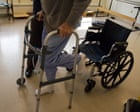
Stroke Rehabilitation Crisis: Only 6.4% Get Adequate Therapy

Stroke Rehabilitation Gap Reaches Critical Levels
A comprehensive investigation into stroke rehabilitation therapy has uncovered a significant crisis within the healthcare system. According to a damning report, stroke survivors are not receiving adequate therapy needed to support their recovery. The research reveals that fewer than one in 15 individuals who have experienced a stroke are accessing the rehabilitation services prescribed by NHS guidelines, raising serious concerns about patient outcomes and long-term recovery prospects.
The Stroke Association, a leading organization dedicated to supporting stroke patients, has characterized the situation as a concerning indictment of current rehabilitation practices. This stroke rehabilitation therapy gap represents a systemic failure to provide appropriate care during the critical recovery period following a cerebrovascular event.
Impact on Patient Recovery and Function
The insufficient provision of stroke rehabilitation therapy directly impacts patients' abilities to regain essential physical capabilities. When individuals do not receive recommended therapeutic interventions, their prospects for functional improvement diminish significantly. Physical function restoration requires consistent, evidence-based rehabilitation programs that address motor control, strength, balance, and mobility concerns arising from stroke-related neurological damage.
Beyond physical implications, the lack of adequate rehabilitation also hampers mental and cognitive recovery. Stroke survivors frequently experience psychological challenges including depression, anxiety, and cognitive impairment. Comprehensive stroke rehabilitation therapy addresses these mental health aspects through specialized interventions and psychological support. Without sufficient therapeutic services, patients struggle to regain emotional wellbeing and cognitive function essential for resuming independent daily activities.
NHS Rehabilitation Standards Not Being Met
The NHS establishes clear guidelines regarding the quantity and quality of rehabilitation services stroke survivors should receive during their recovery journey. These standards are evidence-based and designed to optimize patient outcomes. However, the current investigation demonstrates that actual service provision falls dramatically short of these established benchmarks. Only 6.4% of stroke survivors achieve the recommended therapy levels, indicating widespread systemic failures across rehabilitation services.
This rehabilitation deficiency affects patients across various demographics and geographic regions. The Stroke Association's findings suggest that the problem is not isolated to specific areas but represents a widespread challenge throughout the healthcare system. Many facilities lack adequate resources, staffing, and funding to deliver comprehensive stroke rehabilitation therapy programs that meet established NHS standards.
Broader Implications for Stroke Patient Care
The shortage of stroke rehabilitation therapy has far-reaching consequences for individual patients and society as a whole. Patients who do not receive adequate rehabilitation face extended periods of disability, reduced independence, and diminished quality of life. Additionally, inadequate recovery increases the likelihood of requiring more intensive care services later, potentially creating increased burden on already stretched healthcare resources.
The report's findings underscore the critical importance of investing in stroke rehabilitation infrastructure and services. Healthcare systems must prioritize expanding stroke rehabilitation therapy capacity to ensure patients receive evidence-based interventions during optimal recovery windows. Early and intensive rehabilitation significantly improves outcomes for stroke survivors, making timely access to these services essential.
Stroke Association's Call for Action
In response to these alarming findings, the Stroke Association has intensified its advocacy for improved stroke rehabilitation therapy services. The organization emphasizes that current resource allocation and service configuration inadequately support patient recovery needs. Enhanced funding, expanded staffing, and improved service coordination are essential to bridging the rehabilitation gap and ensuring stroke survivors receive appropriate care.
The association's report serves as a wake-up call for policymakers and healthcare administrators to recognize the urgent need for systemic changes. Implementing comprehensive solutions to expand stroke rehabilitation therapy availability represents both a moral imperative and a sound healthcare investment that yields significant long-term benefits.