
Russia's Largest Kyiv Attack Kills 27 in Unprecedented Strike
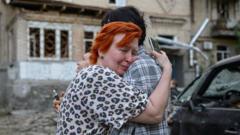
Russia's Largest Attack on Kyiv Unleashes Unprecedented Destruction
Russia's largest attack on Kyiv has resulted in the deaths of at least 27 people, marking one of the most significant military strikes since the invasion began. The devastating assault deployed an unprecedented volume of weapons across the Ukrainian capital, creating a widespread pattern of destruction that stretched far beyond traditional military targets.
The scale and scope of Russia's largest attack on Kyiv demonstrated a notable escalation in military operations, with weaponry distributed across numerous locations throughout the city. Emergency services worked through the night responding to fires, structural collapses, and civilian casualties scattered across multiple districts.
Unprecedented Scale of Weaponry Deployment
The barrage represented the heaviest concentration of munitions launched against Kyiv in recent months. Military analysts noted that the strike pattern covered an extensive geographic footprint, affecting residential areas, infrastructure installations, and commercial zones simultaneously. This coordinated approach suggested a deliberate strategy to maximize disruption across the entire metropolitan region.
Witnesses described explosions occurring in rapid succession across different neighborhoods, creating a chaotic scene as residents sought shelter in basements and metro stations. The density of impacts made it challenging for air defense systems to intercept all incoming threats, despite ongoing Ukrainian counter-measures.
Casualties and Emergency Response
Initial reports confirmed at least 27 fatalities from the assault, though authorities warned that this figure could increase as rescue operations continued. Hundreds of residents remained unaccounted for in areas where buildings sustained direct hits or structural damage. Emergency medical teams established triage centers throughout the city to manage the influx of wounded individuals.
Search and rescue operations focused on collapsed structures where survivors might be trapped beneath rubble. The coordination between civilian emergency services and military units underscored the scale of the humanitarian crisis triggered by the attack.
Infrastructure Damage Assessment
Preliminary assessments revealed extensive damage to critical infrastructure systems. Power distribution networks suffered significant impacts, leaving large sections of the city without electricity. Water supply systems, heating facilities, and communication infrastructure also sustained damage during the strike.
Municipal authorities began evaluating the scope of reconstruction efforts required to restore basic services. The accumulated damage from repeated assaults has created cascading infrastructure challenges that complicate emergency response capabilities and civilian resilience.
International Response and Analysis
Global observers recognized the intensity of Russia's largest attack on Kyiv as a significant escalation in the conflict. Defense analysts pointed to the increased sophistication of targeting strategies and the coordination required to execute such a comprehensive strike.
Ukrainian officials maintained that their air defense systems destroyed a substantial portion of incoming weapons, preventing casualties that could have been substantially higher. The effectiveness of these defensive measures remained central to discussions about the conflict's evolving dynamics and military balance.
Ongoing Threats and Civilian Safety
Authorities issued warnings that additional attacks could occur without warning, urging residents to maintain vigilance and remain prepared to seek shelter immediately. Public information campaigns emphasized the importance of having emergency supplies and knowing the location of nearest underground shelters.
The psychological toll of repeated large-scale attacks combined with the material destruction has created sustained pressure on the civilian population. Mental health services expanded their capacity to address trauma-related conditions emerging from continuous military threats.
Long-Term Implications
The scale and frequency of such attacks raise significant questions about the sustainability of defense capabilities and long-term civilian protection strategies. Ongoing military support from international partners focused on advanced air defense systems represents a critical component of Ukraine's defensive strategy against future operations of this magnitude.
As Kyiv continues to absorb the impact of Russia's largest attack, recovery efforts will require sustained international assistance, resource allocation, and strategic planning to rebuild infrastructure and support the affected population through the ongoing crisis.


