
Earthquakes Leave Venezuelans Struggling to Survive and Seek Help
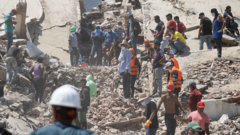
Venezuela Earthquakes Leave Communities in Crisis
The twin earthquakes that struck Venezuela have created a severe humanitarian emergency, leaving thousands of residents struggling for survival as aftershocks continue to rattle the nation. In the hardest-hit zones, Venezuelans are mobilizing with whatever resources they can access, working tirelessly to locate and extract survivors from the rubble and debris scattered across multiple regions.
Desperate Rescue Efforts Underway
In areas most severely impacted by the earthquakes, community members have taken rescue operations into their own hands. Using crowbars, pickaxes, shovels, and their bare hands, determined locals are systematically working through collapsed structures and debris fields in search of trapped survivors. These grassroots rescue teams represent the backbone of immediate response efforts, as families and neighbors refuse to abandon hope of finding loved ones.
The lack of heavy machinery in many affected zones has forced residents to rely on manual labor and improvised tools. Despite these limitations, the determination and resilience displayed by these volunteer rescuers has proven instrumental in saving lives during the critical first hours and days following the earthquakes.
Aftershock Impact on Recovery Operations
The Venezuela earthquakes have been accompanied by persistent aftershocks that complicate rescue and recovery operations. These ongoing tremors create additional dangers for rescue workers and survivors alike, causing further structural damage to already compromised buildings and infrastructure. The psychological toll of repeated seismic activity adds another layer of difficulty for residents already traumatized by the initial disasters.
Communities Facing Self-Reliance Amid Absence of Support
Many Venezuelans have discovered that they must depend primarily on themselves and their immediate communities for assistance. With resources stretched thin and external aid slow to arrive in certain areas, neighborhood networks have become critical survival systems. Neighbors are sharing food, water, and shelter, organizing burial services, and coordinating ongoing search efforts without waiting for formal governmental or international response.
This forced self-reliance underscores broader challenges within Venezuela's existing infrastructure and disaster response systems. The earthquakes have exposed vulnerabilities in the nation's ability to mount coordinated emergency response across multiple affected regions simultaneously.
Structural Damage Assessment
Engineers and emergency personnel are now beginning systematic assessments of structural damage from the twin earthquakes. Early reports indicate widespread destruction of residential buildings, educational facilities, healthcare centers, and commercial establishments. Many structures that survived the initial shocks remain dangerous due to compromised integrity, further limiting where rescue teams can safely operate.
Long-term Recovery Challenges
Beyond the immediate rescue phase, Venezuela faces significant long-term recovery challenges. The dual earthquakes have disrupted water systems, electrical grids, and transportation networks across affected areas. Healthcare facilities damaged in the earthquakes must simultaneously treat earthquake-related injuries, a task that strains already limited medical resources throughout the nation.
Housing displacement will likely affect tens of thousands of residents, many of whom have already endured economic hardship in recent years. The rebuilding process will require sustained commitment and resources over an extended timeline.
International and Domestic Response
As news of the Venezuela earthquakes spreads globally, international organizations and neighboring nations are evaluating their capacity to provide assistance. However, bureaucratic processes and logistical challenges often delay aid delivery to affected populations. Meanwhile, domestic responses remain hampered by resource constraints and the need to coordinate across multiple affected municipalities and regions.


