
Romania Closes Only Nuclear Reactor Amid Danube River Water Crisis
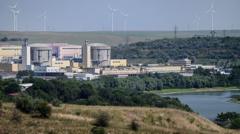
Romania's Nuclear Facility Halts Operations Due to Environmental Conditions
A significant development in Europe's energy landscape has emerged as Romania announces the temporary closure of its primary nuclear facility. The Danube River nuclear shutdown comes at a time when extreme weather patterns have created unprecedented challenges for regional power generation. This decision represents a critical moment for Romania's electricity supply, as the nation grapples with the consequences of climatic shifts affecting water levels across the continent.
The Cernavodă nuclear plant, which stands as the country's sole nuclear power station, has ceased operations following a dramatic reduction in Danube River water availability. The facility's closure underscores the vulnerability of energy infrastructure to environmental fluctuations and demonstrates how climate-related factors can disrupt even the most sophisticated power generation systems.
Impact on National Energy Supply
The suspension of operations at Romania's nuclear facility carries substantial implications for the nation's electricity grid and consumer access to reliable power. The Cernavodă plant represents approximately one-fifth of Romania's total electricity generation capacity, contributing roughly 20% of the country's power supply under normal operational circumstances.
This interruption in nuclear energy production forces Romania to adjust its energy portfolio and rely more heavily on alternative generation methods during the critical period ahead. The shift away from nuclear power creates a notable gap in the nation's power infrastructure that must be compensated through other sources, whether renewable, fossil-fuel based, or through energy imports from neighboring regions.
Danube River Water Level Crisis
The underlying cause of this energy emergency stems from unprecedented low water levels in the Danube River, one of Europe's most vital waterways. Extreme heat waves sweeping across the continent have accelerated evaporation rates and reduced precipitation, creating what experts characterize as a severe hydrological crisis affecting the region.
The Danube River serves multiple critical functions beyond energy generation, including navigation for commercial shipping, water supply for millions of people, and ecosystem support for diverse wildlife populations. The dramatic decline in water levels therefore extends far beyond the energy sector, representing a complex environmental and economic challenge for Romania and surrounding nations.
Expected Duration of Nuclear Shutdown
According to official assessments, the Cernavodă nuclear plant is not anticipated to resume full operational status for a minimum of 10 days. This timeline provides a temporary benchmark, though weather conditions and Danube River water level recovery remain unpredictable variables that could extend the shutdown period indefinitely.
Energy officials and plant operators continue monitoring environmental conditions closely, making decisions regarding restart procedures contingent upon measurable improvements in water availability and safety parameters necessary for nuclear facility operations.
Broader European Energy Context
Romania's nuclear facility closure contributes to a wider pattern of energy disruptions affecting multiple European nations simultaneously. The continent faces compounding pressures from the European energy crisis, which encompasses supply constraints, price volatility, and generation capacity limitations across diverse energy sectors.
Other nations dependent on hydroelectric power generation, river-based cooling systems for thermal plants, or navigation-dependent energy supply chains confront similar challenges during periods of extreme heat and water scarcity. This collective vulnerability highlights the interconnected nature of European energy infrastructure and the systemic risks posed by climatic variability.
Implications for Future Planning
The shutdown of Romania's primary nuclear power source demonstrates critical dependencies within national energy systems and the necessity for diversified generation portfolios capable of withstanding environmental shocks. As climate patterns continue shifting, energy security strategies must incorporate resilience measures addressing potential water scarcity, extreme temperature events, and related environmental factors.
The incident serves as a significant reminder of the complex relationship between natural resource availability, infrastructure capacity, and energy reliability in the modern era.


