
Israel Launches Military Operations in Southern Lebanon Following Peace Framework Agreement
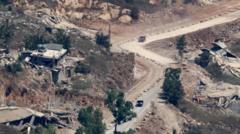
Israel Executes Military Operations in Southern Lebanon Region
Israel military strikes Lebanon have intensified following the recent signing of a framework agreement between the two nations. According to state media reports from Lebanon, the military operations have resulted in at least one fatality, marking a significant development in the ongoing regional tensions.
The timing of these Israel military strikes Lebanon operations comes precisely one day after Lebanese and Israeli officials reached a tentative agreement on a peace framework. This agreement was intended to establish parameters for potential de-escalation and territorial negotiations between the neighboring countries.
Details of the Recent Military Actions
The strikes concentrated in the southern region of Lebanon, an area that has historically been a focal point for regional tensions. Military analysts suggest that the operations targeted specific locations that both nations have identified as security concerns.
State media outlets have confirmed the casualties resulting from these operations, though complete casualty figures remain under assessment. Emergency services in the affected areas have mobilized to address humanitarian needs and provide medical assistance to injured civilians.
Hezbollah's Response and Condemnation
Hezbollah, the Lebanese militant organization, has issued strong statements condemning the military actions. The organization characterized the strikes as violations of the newly signed framework agreement and called them indicative of bad faith negotiation tactics by Israeli authorities.
Hezbollah officials argued that the timing of the military operations undermines the legitimacy of the peace framework and raises serious questions about the intentions of the Israeli government. The group's statements emphasized that such actions contradict the spirit of diplomatic resolution that the framework was intended to foster.
Framework Agreement Background
The framework agreement signed between Lebanon and Israel represents a significant diplomatic effort after months of heightened regional tensions. The accord was negotiated with international mediation and aimed at establishing confidence-building measures between the two nations.
Key provisions of the agreement include territorial demarcation protocols, humanitarian exchange mechanisms, and protocols for managing cross-border incidents. However, the immediate resumption of military operations has cast doubt on the framework's effectiveness and the commitment of both parties to its implementation.
International Response and Diplomatic Implications
International observers and diplomatic officials have expressed concern about the developments. The United Nations and various regional partners called for restraint and adherence to the established framework agreement.
Several countries that participated in mediating the agreement have issued statements urging both parties to maintain the ceasefire and pursue diplomatic channels. The military operations have complicated efforts by international organizations to monitor compliance with the framework's terms.
Security Situation in Southern Lebanon
Southern Lebanon has long been a region of strategic importance and tension. The area has experienced repeated cycles of conflict and periods of relative calm, with civilian populations bearing the brunt of instability.
Local authorities in southern Lebanese communities reported that residents had sheltered in protected areas following warnings of military activity. Aid organizations have mobilized to assess damage and provide humanitarian assistance to affected populations.
Future Prospects for Peace
The resumption of military operations immediately after signing the framework agreement raises fundamental questions about the viability of peaceful resolution. Analysts warn that continued strikes could trigger retaliatory actions that would spiral into a larger conflict.
Both governments face pressure from international stakeholders to clarify their positions regarding the framework agreement's implementation. The coming days will be critical in determining whether diplomatic efforts can overcome the current tensions or whether the region faces escalation of hostilities.
The situation remains fluid, with diplomatic channels still open but increasingly strained by military developments on the ground.


