
Plug-and-Play Solar Panels Arriving in Retail Stores This Year
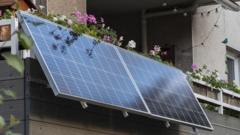
Plug-in Solar Panels: A New Era in Home Energy
Plug-in solar panels are set to transform the way households generate and consume electricity. Unlike traditional rooftop installations requiring professional setup, these innovative systems offer a flexible approach to renewable energy adoption. Retailers across the United Kingdom are preparing to stock plug-in solar panels, making this technology accessible to consumers who previously faced barriers to solar energy implementation.
Government Support for Residential Solar Solutions
The UK government has endorsed plug-in solar panels as a practical solution for homeowners seeking to reduce their energy expenditures. Officials claim that these systems could enable residential properties to "significantly cut" energy bills, positioning them as a viable alternative to conventional electricity sourcing. This governmental backing reflects growing recognition of renewable energy's role in achieving national sustainability targets while providing immediate financial benefits to individual households.
Understanding Plug-in Solar Panel Technology
Unlike conventional solar installations that require extensive roof modifications and professional electrical work, plug-in solar panels operate on a fundamentally different principle. These systems connect directly to standard household electrical outlets, eliminating the need for complex wiring and specialized installation expertise. The simplicity of plug-in solar panels democratizes access to solar energy, allowing renters and homeowners in temporary housing situations to benefit from clean power generation without permanent structural changes.
How Plug-in Solar Panels Function
The operational mechanism behind plug-in solar panels involves converting sunlight into usable electricity through photovoltaic cells, then routing that power directly into home electrical systems via plug sockets. The technology automatically prioritizes locally generated renewable energy before drawing power from the national grid, maximizing self-consumption rates. This intelligent distribution system ensures homeowners derive maximum financial value from their solar investment by reducing reliance on grid-supplied electricity during daylight hours.
Economic Benefits and Cost Savings
Financial analysis suggests that plug-in solar panels offer compelling economic advantages for budget-conscious households. By generating electricity on-site, homeowners reduce their dependence on utility companies and the volatile energy markets that dictate grid electricity prices. The cumulative savings over the system's operational lifespan can reach substantial figures, particularly in regions experiencing elevated electricity rates or extended daylight hours throughout the year.
Installation and Setup Requirements
One of the most attractive aspects of plug-in solar panels involves their minimal installation requirements. Unlike rooftop systems demanding structural assessments, roof reinforcement, and multiple days of professional installation, plug-in models simply require suitable outdoor placement and access to a standard electrical socket. This accessibility encourages broader adoption among demographics previously excluded from solar energy benefits, including apartment dwellers and those renting residential properties.
Retail Availability and Market Expansion
As plug-in solar panels gain regulatory approval and consumer awareness, major retailers are expanding their inventory to meet anticipated demand. Shopping centers, home improvement stores, and online retailers increasingly feature these systems prominently, reflecting market confidence in their viability. This widespread retail distribution represents a significant milestone in democratizing renewable energy access, transforming solar technology from a specialized product into mainstream consumer goods.
Environmental Impact and Sustainability
Widespread adoption of plug-in solar panels contributes meaningfully to the United Kingdom's environmental objectives. Each household that transitions to solar energy generation reduces overall grid demand, decreasing fossil fuel consumption and associated carbon emissions. The collective environmental benefit multiplied across thousands of households creates substantial positive impact on air quality, climate stability, and long-term planetary health.
Consumer Considerations Before Purchase
Prospective buyers should evaluate several factors when considering plug-in solar panels. Solar irradiance levels in specific geographic locations significantly influence energy generation potential. Additionally, available outdoor space for panel placement, existing electrical infrastructure, and individual energy consumption patterns warrant careful assessment. Consulting installation guides and government resources ensures informed purchasing decisions aligned with household requirements and expectations.
Plug-in solar panels represent a pivotal development in residential renewable energy adoption, combining accessibility, affordability, and environmental responsibility. As these systems become increasingly available through retail channels, homeowners gain unprecedented opportunity to participate actively in energy generation and economic optimization.


