
Raleigh Bike Maker's Parent Company Files for Insolvency
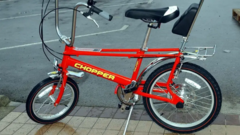
Raleigh Bike Maker's Parent Company Faces Financial Collapse
The Raleigh bike maker's parent company has initiated insolvency proceedings, marking a significant development in the cycling industry. Accell Group, the Netherlands-based corporation that has controlled the legendary Raleigh brand since 2012, announced the filing after facing mounting financial pressures in recent years.
A Decade of Ownership Under Accell Group
Since its acquisition in 2012, Accell Group transformed Raleigh into part of an extensive portfolio of cycling brands. The Dutch conglomerate's stewardship of the Raleigh bike maker represented a continuation of the brand's legacy in a competitive global market. Under Accell's ownership, the iconic British bicycle manufacturer expanded its product lines and distribution networks across multiple continents.
The Road to Financial Difficulties
The insolvency filing reflects broader challenges affecting the bicycle industry and Accell Group's operational structure. Market fluctuations, supply chain disruptions, and changing consumer preferences have created significant headwinds for traditional bike manufacturers. The company's financial struggles intensified as post-pandemic market dynamics shifted from the boom periods witnessed during lockdowns.
Impact on the Cycling Industry
The potential collapse of this major player sends ripples through the entire cycling sector. Accell Group owned multiple brands beyond Raleigh, making it one of the world's largest bicycle conglomerates. The insolvency proceedings threaten employment across manufacturing facilities, distribution centers, and retail operations worldwide. Industry analysts suggest that consolidation among bike makers may accelerate following this development.
Raleigh's Historic Legacy at Risk
Founded in Nottingham, England, Raleigh established itself as a pioneering force in bicycle manufacturing and innovation. The brand's history spans generations, with countless enthusiasts and professional cyclists having relied on Raleigh bicycles throughout their careers. The insolvency threatens to disrupt operations at facilities that have produced millions of bicycles.
What Comes Next for Stakeholders
Creditors, employees, and business partners now face uncertainty regarding the future of their investments and livelihoods. The Dutch parent company's insolvency proceedings will determine whether operations continue under new management, whether assets are liquidated, or whether other interested parties acquire portions of the business. Potential buyers have already begun assessing the opportunities presented by the distressed assets.
The Broader Market Context
The Raleigh bike maker insolvency occurs within a complex market environment. While the cycling industry experienced exceptional growth during the COVID-19 pandemic, demand has since normalized, leaving companies with overcapacity and inflated cost structures. Supply chain costs remain elevated compared to pre-pandemic levels, further pressuring profit margins across the sector.
Stakeholders closely monitor developments as the insolvency process unfolds. The resolution of this situation will likely influence investment decisions and consolidation strategies throughout the global bicycle manufacturing industry for years to come.


