Nobby Stiles Died From Brain Condition Linked to Football
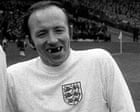
Coroner Rules on Nobby Stiles Death from Football-Related Brain Condition
England's celebrated World Cup winner Nobby Stiles suffered from a degenerative brain condition directly attributable to the repeated impact of heading a football throughout his professional career, according to an official coroner's investigation. The veteran midfielder, who became a household name during the nation's triumphant 1966 World Cup campaign, passed away in 2020, yet authorities initially failed to notify the coroner's office of his death, delaying the formal inquiry into the circumstances surrounding his passing.
Stiles earned legendary status as a midfielder whose aggressive, no-nonsense approach to the game became synonymous with English football excellence. His teammates, including World Cup-winning striker Geoff Hurst, consistently described him as the "heart and soul" of the historic 1966 squad that defeated West Germany in the final. Known for his relentless defensive work rate and commitment on the pitch, Stiles became an emblematic figure of that golden generation of English footballers.
Details of the Medical Findings
The coroner's examination revealed that the brain condition from which Stiles suffered was a direct consequence of his decades spent heading footballs at the elite level of professional sport. This determination adds significant weight to ongoing medical discussions surrounding the long-term neurological effects of repeated heading in football. The formal ruling provides documented evidence that connects occupational exposure through football heading with serious degenerative brain conditions.
The delayed reporting of Stiles' death to the coroner's office represents a procedural oversight that initially prevented comprehensive investigation into his medical condition. This administrative gap meant that crucial months passed before authorities could establish an official record of the circumstances leading to his death and the underlying health factors that contributed to his passing.
Nobby Stiles' Career and Legacy
Throughout his professional career, Stiles earned widespread recognition for his distinctive playing style and unwavering dedication to Manchester United and the England national team. His performances in the 1966 World Cup tournament cemented his place in English football history. Beyond his on-field achievements, Stiles remained a respected figure in football circles, known for his integrity and competitive spirit.
The midfielder's contribution to the 1966 World Cup victory cannot be overstated. Alongside teammates like Bobby Charlton, Gordon Banks, and Geoff Hurst, Stiles helped deliver the nation's only World Cup triumph. His work rate, positioning, and tactical intelligence were instrumental in England's success during that historic tournament.
Implications for Football and Player Health
The coroner's formal ruling regarding Nobby Stiles' death carries significant implications for understanding the health risks associated with professional football. Medical professionals and sports scientists have increasingly scrutinized the potential dangers of repeated heading, which remains a fundamental aspect of the sport. This official determination strengthens the evidence base for ongoing discussions about player safety and protective measures in football.
The case highlights the importance of maintaining accurate medical records and ensuring that deaths among former professional athletes are properly investigated and documented. The initial failure to report Stiles' death to the coroner's office prevented timely analysis of the connection between his professional career and subsequent health deterioration.
Broader Context of Football-Related Health Concerns
In recent years, growing attention has been directed toward the long-term neurological consequences of participation in football and other contact sports. Stiles' case represents a documented instance where professional football exposure directly contributed to serious medical complications later in life. This recognition reinforces calls from medical experts and player welfare advocates for enhanced protective protocols and further research into heading safety.
The coroner's investigation into Nobby Stiles' death serves as an important public health record, establishing medical documentation of the risks associated with the sport. As football continues to evolve, with increased awareness of player safety, such documented cases provide essential evidence for developing improved guidelines and protective measures for athletes at all levels of the game.