MPs Accept £400,000 in Hospitality Despite 2024 Scandal
Parliamentary Hospitality Declarations Reach Record Levels
MPs hospitality freebies have become a significant concern once again, with Members of Parliament declaring almost £400,000 worth of complimentary tickets and entertainment this year. Despite widespread criticism and controversy surrounding similar practices in 2024, lawmakers continue to accept lavish gifts and event access, raising fresh questions about parliamentary standards and ethical conduct.
The scale of hospitality acceptance appears to have grown substantially compared to previous years, with detailed records showing MPs receiving premium entertainment packages across multiple high-profile events. From exclusive concert performances to prestigious sporting occasions and cultural festivals, the breadth of hospitality declarations demonstrates a continuation of practices that previously sparked significant public debate.
High-Value Hospitality Acceptances Documented
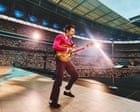
Records reveal several remarkable individual hospitality declarations. MPs received Harry Styles concert tickets valued at £858, Chelsea Flower Show attendance worth £1,839, and Brit Awards hospitality packages estimated at £3,432. These figures represent only select examples from a comprehensive list of entertainment and event access accepted by elected representatives throughout the reporting period.
Prominent Labour MPs feature prominently among those declaring hospitality. Louise Haigh, Lucy Powell, and Wes Streeting are among the notable names who have registered significant entertainment acceptances. Their declarations reflect a broader pattern where senior and junior MPs alike have engaged in accepting complimentary access to premium events.
Context of Previous Controversy
The current declarations come remarkably soon after the 2024 hospitality scandal that involved Prime Minister Keir Starmer. Starmer faced considerable public scrutiny after accepting football tickets and designer clothing gifts, with extensive media coverage questioning the appropriateness of such arrangements. The controversy prompted discussions about parliamentary ethics and the need for stricter guidelines regarding hospitality acceptance.
Despite that high-profile episode generating substantial political debate and public concern, it appears the lessons may not have been thoroughly internalized across Westminster. The volume of hospitality declarations this year suggests that the controversy did not fundamentally alter behavior patterns among many MPs regarding event attendance and gift acceptance.
Questions About Parliamentary Standards
The continued acceptance of hospitality raises important questions about maintaining public confidence in parliamentary institutions. Critics argue that MPs hospitality freebies create potential conflicts of interest and undermine perceptions of political independence. When elected representatives accept substantial entertainment value from external organizations and interests, concerns inevitably arise about whether such generosity influences political decision-making.
Parliamentary standards authorities face ongoing challenges in balancing transparency requirements with practical regulation of hospitality acceptance. While declaration systems provide visibility into what gifts and event access MPs receive, questions persist about whether current frameworks adequately protect against improper influence or maintain public trust in elected representatives.
Broader Pattern of Entertainment Access
The types of events represented in hospitality declarations reflect access to London's most exclusive entertainment and cultural offerings. Concerts featuring internationally renowned artists, prestigious sporting events, and premier cultural festivals like the Chelsea Flower Show represent significant perks valued at thousands of pounds collectively.
Individual MPs receive varying amounts of hospitality, with some accepting minimal entertainment value while others accumulate substantial packages. This variation raises questions about whether certain MPs or constituencies attract greater corporate and institutional hospitality interest than others.
Implications for Public Perception
Continued high-volume hospitality acceptance potentially damages public confidence in parliamentary integrity. Citizens who struggle with cost-of-living challenges may view elected representatives accepting premium entertainment as tone-deaf or disconnected from constituent concerns. The optics of MPs enjoying expensive concert tickets and exclusive event access remain challenging to defend effectively.
Transparency through declared hospitality records provides some accountability, yet critics contend that more stringent restrictions might better serve parliamentary standards. The question of whether MPs should accept hospitality at all remains contentious, with some arguing complete prohibition would eliminate potential conflicts entirely.
Moving Forward
The pattern of MPs hospitality freebies continuing at elevated levels suggests that the 2024 controversy may require additional measures to effect meaningful behavioral change. Whether through strengthened parliamentary guidelines, clearer ethical frameworks, or expanded public debate about appropriate standards, the issue appears unlikely to disappear without more decisive intervention.