Heatwaves Spike Falls Among Elderly People
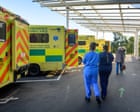
Rising Heat-Related Injuries in Emergency Departments
Heatwaves elderly falls have emerged as a significant concern for emergency departments across the United Kingdom, with medical professionals reporting an alarming surge in injuries among older populations. Dr Adrian Boyle, an emergency medicine consultant at Addenbrooke's Hospital in Cambridge, highlights the critical intersection between extreme temperatures and patient safety in acute care settings.
According to frontline medical staff, the correlation between rising temperatures and hospital admissions has become increasingly evident. During the summer months when extreme heat events occur, A&E departments witness a marked increase in elderly patients presenting with fall-related injuries that stem directly from heat exposure.
Understanding Heat-Related Dizziness and Falls
The mechanism behind heatwaves elderly falls involves a cascade of physiological responses triggered by extreme temperatures. When the human body is exposed to prolonged heat, particularly in older individuals whose thermoregulation systems are less efficient, several complications can develop simultaneously.
Dr Boyle explains that elderly patients frequently experience light-headedness and dizziness during periods of intense heat, leading to dangerous falls. In one case documented during the summer's five successive heatwave events, an elderly patient experienced vertigo symptoms severe enough to cause a fall down an entire staircase. The resulting injuries included multiple fractured ribs, a broken wrist, and fractures to the lower leg—injuries that required significant medical intervention and extended hospital care.
Vulnerability Factors in Older Adults
Several factors contribute to increased susceptibility among elderly populations during heatwaves. Medications commonly prescribed to older adults, including diuretics and certain blood pressure medications, can increase dehydration risk. Additionally, reduced mobility and balance control in aging individuals compounds the danger when dizziness occurs. Many older adults suffer from pre-existing conditions that impair their ability to thermoregulate, making them particularly vulnerable during extreme heat episodes.
Strain on NHS Resources and Services
Beyond patient injuries, the NHS faces considerable operational stress during heatwave periods. Emergency departments experience overwhelming demand not only from fall-related injuries but also from patients suffering heat exhaustion, dehydration, and exacerbation of chronic conditions. Simultaneously, healthcare workers themselves face challenging working conditions in often inadequately cooled hospital facilities.
The dual burden of managing increased patient volume while maintaining staff safety during extreme heat creates unprecedented challenges for emergency medicine teams. Nurses and doctors report working in uncomfortably hot conditions while treating a growing number of heat-related complaints, a situation that affects both care quality and worker wellbeing.
The Broader Health Impact of Extreme Temperatures
Heatwaves elderly falls represent only one facet of heat-related health problems emerging during summer months. Emergency departments document numerous presentations including heat cramps, heat exhaustion, and heat stroke across all age groups, though elderly patients constitute a disproportionately large segment of admissions.
Cardiovascular stress increases substantially during heat events, particularly in individuals with existing heart conditions. Respiratory complications and kidney function deterioration also occur with greater frequency during extreme heat periods. The cumulative effect of these conditions creates a perfect storm for healthcare systems already operating near capacity.
Prevention and Clinical Management Strategies
Medical professionals emphasize the importance of preventive measures to reduce heatwave-related injuries. Staying adequately hydrated, maintaining cool environments, wearing appropriate clothing, and avoiding unnecessary exertion during peak heat hours represent fundamental protective strategies for elderly populations.
For those managing elderly relatives or patients, heightened vigilance becomes essential during heatwave warnings. Recognition of early warning signs—including excessive fatigue, confusion, or unsteadiness—allows for prompt intervention before serious falls occur. Healthcare providers recommend increased monitoring of vulnerable populations and ensuring access to cool environments, particularly for individuals with mobility limitations.
Looking Forward: Adapting Healthcare Infrastructure
As climate patterns shift and heatwave frequency increases, the NHS must adapt its infrastructure and protocols to address mounting demand. This includes improving cooling systems in healthcare facilities, developing targeted interventions for high-risk populations, and establishing clear communication pathways for public health guidance during extreme weather events.
The experiences documented during recent summer heatwaves underscore the urgent need for comprehensive heat health action plans that integrate medical services, public health messaging, and community support systems. Emergency departments and their staff require adequate resources to manage the consequences of extreme heat while maintaining quality care standards across all patient populations.