Ebola Outbreak Accelerates: Conflict and Misinformation Drive Crisis
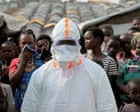
Unprecedented Speed of Ebola Virus Transmission
The Ebola outbreak DRC is experiencing unprecedented growth rates, marking one of the most rapidly advancing health emergencies in recent history. Since confirmation of the initial cases in a single province, the virus has demonstrated alarming contagion patterns, expanding across multiple regions and affecting thousands of individuals within an exceptionally short timeframe.
Official government statistics released on July 8 document a staggering 1,759 confirmed cases alongside 600 deaths attributed to the virus. These figures underscore the severity of the situation and highlight the escalating nature of the epidemic. Beyond the Democratic Republic of the Congo's borders, the outbreak has crossed into neighboring Uganda, where authorities have identified 20 confirmed cases, resulting in two fatalities. This geographic expansion signals the potential for further regional spread if containment efforts prove insufficient.
Misinformation and Community Resistance Hamper Response Efforts
Public health officials have identified widespread misinformation as a critical obstacle to controlling the Ebola outbreak DRC. False narratives and conspiracy theories circulating through communities have eroded public trust in medical institutions and vaccination programs. This erosion of confidence directly translates into reduced compliance with public health measures and decreased utilization of treatment facilities.
The dissemination of inaccurate information has created dangerous gaps between official health guidance and community beliefs. Citizens skeptical of official warnings are less likely to seek treatment promptly, resulting in delayed diagnosis and increased transmission within household and community settings. Educational initiatives struggle to overcome entrenched misconceptions, particularly in areas with limited access to reliable media sources.
Violence Against Healthcare Workers and Treatment Centers
The outbreak has coincided with troubling instances of violence targeting medical personnel and health infrastructure. Treatment centers have faced attacks from community members, forcing temporary closures and disrupting patient care operations. Healthcare workers, already operating under extreme stress, now contend with threats to their physical safety while attempting to deliver essential services.
These attacks on medical facilities represent more than isolated incidents; they reflect deeper community tensions and distrust. Some attacks have resulted in deaths among healthcare staff and damage to critical equipment and supplies. The psychological impact on remaining personnel affects recruitment and retention, further straining already limited human resources in the health sector.
Impact of Armed Conflict on Disease Containment
The Democratic Republic of the Congo's ongoing internal conflicts have created circumstances that enable rapid disease transmission. Armed violence disrupts normal population movements, forces displacement, and creates humanitarian crises that overwhelm existing health infrastructure. Regions experiencing active conflict often have minimal access to medical facilities and preventive resources.
Insecurity prevents epidemiologists from conducting comprehensive surveillance operations necessary for tracking disease progression and implementing targeted interventions. Healthcare workers cannot safely reach affected populations in conflict zones, leaving vulnerable communities without medical support or accurate health information. The combination of armed violence and the Ebola outbreak DRC creates a catastrophic scenario where prevention and treatment become nearly impossible.
Funding Reductions Limit Outbreak Response Capacity
Significant reductions in international health aid have compromised response capabilities at critical moments. Budget constraints limit the number of healthcare workers available for deployment, restrict laboratory capacity for testing, and reduce supplies of protective equipment. These funding shortfalls occur precisely when resources are most urgently needed.
Treatment centers operate at diminished capacity due to insufficient staffing and equipment. Vaccination campaigns cannot reach all at-risk populations due to logistical constraints created by inadequate funding. Contact tracing operations, essential for identifying and isolating exposed individuals, suffer from reduced personnel and transportation resources.
Regional Health System Vulnerabilities
Pre-existing weaknesses in the region's health infrastructure have been exposed and exacerbated by the outbreak. Many facilities lack modern diagnostic equipment, infection control protocols, and trained personnel. The sudden surge in patient numbers has completely overwhelmed these already fragile systems.
Healthcare facilities in rural areas lack basic supplies including protective equipment, antimicrobial medications, and isolation capabilities. Urban centers, while better equipped, face unprecedented demand that exceeds available resources. The convergence of the Ebola outbreak DRC with systemic health sector deficiencies creates cascading failures in disease management.
Outlook and Containment Challenges Ahead
Public health experts project continued spread unless comprehensive interventions address the underlying factors enabling transmission. Successful outbreak control requires simultaneous action on multiple fronts: restoring community trust through accurate information, ensuring healthcare worker safety, supporting treatment infrastructure, and addressing conflict-related obstacles to response operations. The coming weeks will prove critical in determining whether this outbreak can be contained or whether further geographic and numerical expansion will occur.