Farage Absence Raises Questions on Commons Decorum and Budget Priorities
Farage's Strategic Withdrawal from Budget Session
Nigel Farage's decision to abstain from attending the House of Commons budget session marked a significant moment in parliamentary proceedings, with the Reform UK leader citing concerns over potential physical confrontation related to seating arrangements. This Nigel Farage budget absence represented an unusual display of tension within Westminster's traditionally formal proceedings, raising questions about the state of parliamentary civility and inter-party relations during critical fiscal announcements.
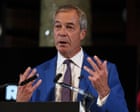
The Reform UK leader chose instead to address media representatives through a subsequent press conference, where he outlined his party's response to the government's financial proposals. Rather than participating directly in Commons debate, Farage opted for an alternative platform to express his views on the budget's key provisions and his party's alternative fiscal vision.
Seating Altercation Concerns and Parliamentary Protocol
The specific nature of the seating dispute that prompted Farage's withdrawal remained somewhat ambiguous, though his concern about a "physical altercation" suggested significant underlying tensions between himself and another member of the Commons. This incident highlighted potential vulnerabilities in House protocols regarding member interactions and the management of contested seating arrangements during high-profile parliamentary sessions.
Parliamentary tradition typically affords members designated seating based on party affiliation and seniority, yet disputes over specific positions occasionally surface during significant events. The fact that such concerns reached a level sufficient to prompt the Reform UK leader's complete absence from the budget presentation underscored the seriousness with which Farage perceived the potential confrontation.
Criticism of Ukraine Funding Allocation
During his press conference remarks, Farage expressed notable shock at the government's allocation of £10 billion in support for Ukraine. The Reform UK leader characterized this expenditure as excessive, particularly given domestic economic pressures and competing fiscal priorities within the United Kingdom. His reaction reflected longstanding skepticism within certain political quarters regarding the scale and sustainability of international aid commitments during periods of domestic economic uncertainty.
The £10bn commitment to Ukraine represented a substantial component of the broader budget framework and attracted immediate scrutiny from opposition voices. Farage's vocal criticism reinforced Reform UK's position on prioritizing domestic spending and questioning the rationale behind large-scale international assistance programs, a stance that resonates with significant segments of his political base.
Reform UK's Cryptocurrency Tax Policy Platform
Farage doubled down on his party's distinctive policy position advocating for reduced taxation on cryptocurrency investors and transactions. This stance differentiates Reform UK from mainstream Conservative and Labour positions, as the party seeks to position Britain as a competitive jurisdiction for digital asset activities and blockchain technology development.
The emphasis on cryptocurrency tax cuts reflects Reform UK's broader economic philosophy, which emphasizes entrepreneurship, innovation, and reduced state intervention in financial markets. By reiterating this commitment during the budget response, Farage sought to establish clear policy differentiation and appeal to tech-savvy constituents and investors interested in digital currency developments.
Broader Implications for Parliamentary Conduct
The incident surrounding Farage's budget absence raised important questions about the current state of Commons decorum and member relations. Parliamentary institutions depend fundamentally on established protocols and professional conduct standards, yet occasional incidents suggest these norms face ongoing pressures from contemporary political polarization and personality-driven conflicts.
The decision by a major party leader to entirely abstain from a significant parliamentary occasion based on seating arrangement concerns represented an unusual response that demonstrated either exceptional frustration levels or a calculated strategic choice to avoid direct engagement. Either interpretation suggested concerning trends regarding parliamentary civility during an era marked by heightened political tension and factional divisions.
Press Conference Alternative and Political Strategy
By conducting his budget response through a dedicated press conference rather than parliamentary participation, Farage maintained the ability to communicate his party's message while controlling the presentation environment and avoiding potential confrontation. This strategy allowed Reform UK to frame budget critiques according to party preferences without the unpredictable dynamics of Commons debate and questioning.
The alternative press conference format enabled Farage to address media directly, potentially receiving more favorable coverage from sympathetic outlets while avoiding hostile questioning from government benches. This tactical approach reflected modern political communication strategies where traditional parliamentary participation increasingly shares space with direct media engagement and social media messaging.
Looking Forward: Reform UK Budget Response Impact
The cumulative effect of Farage's absence, his criticism of Ukraine funding, and his advocacy for cryptocurrency tax policies contributed to a distinctive Reform UK positioning on fiscal matters. Whether this approach enhanced or diminished the party's influence over budget outcomes remained subject to interpretation and would likely depend on subsequent parliamentary developments and public reception of these policy positions.