Royal Navy Inadequately Equipped to Address Russian Arctic Threat
Parliamentary Concerns Over Naval Capability Gaps
British defence authorities face mounting scrutiny regarding their capacity to effectively counter emerging Russian military activities in the Arctic region. The Royal Navy Arctic threat has become a focal point for parliamentary defence experts, who have raised serious questions about whether current naval resources are sufficient to maintain strategic deterrence in northern waters.
Members of the defence select committee have documented substantial equipment shortfalls that could compromise the UK's ability to respond to hostile actions beyond its borders. These concerns reflect a broader assessment that the nation's maritime defense infrastructure requires urgent modernization and expansion to meet contemporary security challenges posed by renewed Russian assertiveness in high-latitude regions.
Documented Equipment Shortfalls
The parliamentary review identified several critical gaps in Royal Navy capabilities. Submarine numbers represent a particularly acute vulnerability, with reports indicating that all five operational Astute-class attack submarines entered maintenance cycles simultaneously during the summer period. This maintenance overlap created a strategic window during which Britain lacked immediate underwater reconnaissance and deterrence capabilities in northern waters.
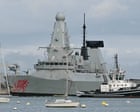
Beyond submarine availability concerns, the committee documented declining frigate inventories and highlighted delays in planned vessel deployments. The case of HMS Dragon, which experienced postponed transit to Cyprus operations during spring operations, exemplified broader logistical and resource management challenges affecting the naval service's operational tempo.
Strategic Implications for NATO Allies
Defence analysts emphasize that inadequate Royal Navy Arctic threat response capabilities could affect NATO's collective security posture in the region. As Russia continues modernizing its Arctic military infrastructure, including submarine fleets and coastal defense systems, allied nations must maintain credible deterrence through visible naval presence and operational readiness.
Parliamentary experts stressed that current resource constraints prevent the Royal Navy from maintaining consistent patrols in critical strategic areas. Extended maintenance periods, limited ship availability, and delayed deployments collectively diminish the service's capacity to respond rapidly to emerging threats or demonstrate reassuring presence to regional allies.
Requirements for Capability Enhancement
The defence committee's analysis indicated that dramatic progress must occur before the end of the current decade to address identified deficiencies. Recommendations encompassed not merely increasing vessel quantities but improving availability rates through enhanced maintenance protocols and expanded support infrastructure.
Military strategists highlighted that submarine shortages constitute perhaps the most serious gap. Attack submarines provide essential capabilities for intelligence gathering, covert deterrence positioning, and rapid response operations across the Atlantic and Arctic regions. Current force levels, combined with extended dock periods, significantly constrain these critical functions.
Frigate Fleet Modernization Challenges
Frigate numbers have declined substantially over recent decades, even as global maritime security challenges have expanded. The committee noted that remaining Type 23 frigates approach retirement age, while replacement Type 26 vessels enter service more gradually than originally planned. This transition period creates vulnerability windows when the service operates with reduced capable platforms.
Sustained operational deployments require maintaining multiple vessels at sea while others undergo scheduled maintenance and crew rotation. With diminished frigate numbers, the Royal Navy struggles to balance regional presence requirements, training obligations, and maintenance schedules effectively.
Maintenance and Availability Crisis
The simultaneous docking of all five Astute-class submarines during summer months illustrated systemic challenges in scheduling and resource allocation within naval maintenance facilities. Parliamentary investigators questioned whether dockyards possessed sufficient capacity to manage necessary maintenance while maintaining operational submarine availability throughout the annual calendar.
Extended maintenance periods reflect both aging infrastructure at naval bases and supply chain constraints affecting parts availability and specialized repair capabilities. These factors, combined with workforce challenges in recruiting and retaining skilled maintenance personnel, compound operational readiness problems.
Political and Defence Policy Context
The defence committee's assessment occurred amid broader strategic discussions about UK military spending priorities and NATO commitments. Russia's continued military modernization in Arctic regions, including advanced ice-capable warships and expanded submarine construction programs, creates urgent pressure for Western responses.
Parliamentary warnings suggest that without substantial resource increases and capability expansion, Britain risks diminishing its influence in Arctic affairs and reducing its contribution to NATO's northern defence posture. The committee implicitly challenged government defence spending allocation decisions and called for prioritizing Royal Navy Arctic threat capabilities.
Path Forward for Defence Planning
Experts emphasized that resolving identified shortfalls requires sustained commitment across multiple fiscal years. Quick fixes prove insufficient for addressing fundamental submarine availability constraints or frigate fleet modernization requirements. Comprehensive strategies must encompass not only ship construction but also maintenance facility upgrades and personnel development programs.
The committee's assessment suggests that current trajectory leaves Britain inadequately prepared for potential Arctic security challenges during the remainder of this decade. Defence planners must reconcile resource constraints with growing strategic imperatives to maintain credible deterrence capabilities in northern waters.