Dover Vigilantes Warn of Return if Police Fail to Act
Far-Right Group Threatens Fresh Disruptions in Dover
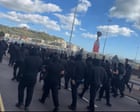
The masked, black-clad Dover vigilantes who orchestrated road blockades at the port are poised to stage additional demonstrations unless law enforcement substantially intensifies its preventive measures, according to statements from political leaders and anti-extremism organizations. The concerning prospect of renewed Dover vigilante actions has sparked urgent discussions among officials regarding the adequacy of current policing strategies.
Patriot Platform, an anti-immigration organization with documented connections to far-right movements, has claimed responsibility for the disruptive action. The group characterizes itself as embodying a "fierce love for our homeland," using rhetoric that frames its activism as patriotic rather than extremist.
Campaigners Highlight Police Response Gaps
According to the founder of Hope Not Hate, a prominent campaign organization tracking extremist movements, the Dover vigilantes possess the organizational capacity to mobilize at significant scale precisely because of perceived police inaction. This assessment underscores growing concerns that insufficient law enforcement intervention may inadvertently encourage future protest campaigns by similar groups.
The blockade demonstrated the group's ability to coordinate large numbers of participants effectively, raising questions about intelligence gathering and preventive policing strategies. Officials acknowledge that without meaningful changes to enforcement approaches, the risk of recurrence remains substantially elevated.
Understanding the Patriot Platform Movement
The Patriot Platform emerged as a notable voice within anti-immigration activism, attracting participants concerned about border security and cultural identity issues. The organization's adoption of tactical uniformity—black clothing and face coverings—mirrors protest aesthetics increasingly associated with coordinated direct action campaigns.
The group's messaging emphasizes homeland protection and national interest, framing immigration concerns through a nationalist lens. However, critics argue this positioning obscures connections to broader far-right ideological networks and represents a concerning evolution in public protest tactics.
Law Enforcement's Accountability Under Scrutiny
The Dover vigilante incident has intensified scrutiny of police resource allocation and strategic priorities. Campaigners contend that demonstrating sufficient enforcement capacity serves as an essential deterrent against future organized blockades. Without visible consequences or preventive interventions, groups like the Patriot Platform may interpret permissiveness as tacit acceptance of their methods.
Political representatives have expressed concerns that police inaction regarding the Dover vigilantes could establish problematic precedents. If such organizations successfully disrupt critical infrastructure—including major port operations—without substantial response, this may embolden similar initiatives elsewhere in the country.
Broader Implications for Public Order
The Dover vigilante situation reflects wider tensions regarding protest management, free expression, and public safety in contemporary Britain. Distinguishing between protected political speech and unlawful disruption remains complex, yet authorities must balance civil liberties with preventing infrastructure damage and economic harm.
Experts suggest that addressing the root factors motivating such activism—including public anxieties about immigration and social change—requires comprehensive strategies extending beyond immediate police response. However, campaigners emphasize that permitting organized blockades sends contradictory messages regarding government commitment to orderly public conduct.
Path Forward: Strengthening Prevention
To prevent recurrence of Dover vigilante-style demonstrations, officials are considering enhanced monitoring of groups exhibiting organizational capacity and planned disruption tactics. Intelligence sharing between agencies, clear communication of enforcement intentions, and visible police presence at vulnerability points all feature in proposed preventive frameworks.
The founder of Hope Not Hate advocates for demonstrating that authorities will not tolerate large-scale disruptions, regardless of underlying political motivations. This stance suggests that resolving the Dover vigilante challenge requires both immediate tactical responses and longer-term community engagement addressing extremism's appeal.
Moving forward, the capacity of police to effectively counter the Patriot Platform and similar organizations will significantly influence whether subsequent blockades materialize. Current assessments indicate that without substantial changes to enforcement approaches and demonstrable consequences for organizers, the threat of renewed Dover vigilante actions remains substantial and credible.