UK Government Eyes Smart Glasses Restrictions for Privacy Protection
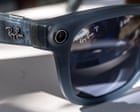
Government Explores Smart Glasses Restrictions Over Privacy Issues
Smart glasses restrictions are now under serious consideration by UK authorities, as government officials address growing concerns about the misuse of wearable technology for unauthorized recording. The safeguarding minister has publicly indicated that measures may be implemented to limit access to these devices among certain demographics, signaling a significant policy shift regarding consumer electronics and privacy protection.
During parliamentary discussions, Minister Satvir Kaur outlined potential approaches to regulating smart glasses, emphasizing the need to combat the proliferation of covert filming incidents. The focus on smart glasses restrictions stems from documented cases where individuals have exploited the technology's discreet recording capabilities to film women without consent, creating a pressing public safety concern that demands legislative attention.
The Growing Concern Over Unauthorized Recording
The emergence of smart glasses as a widespread consumer product has inadvertently created new opportunities for privacy violations. Unlike traditional cameras, these devices can record video discreetly without drawing obvious attention, making detection particularly challenging for potential victims. Advocates for privacy protection argue that the technology's design inherently facilitates the kind of covert surveillance that has prompted government intervention.
Law enforcement agencies have reported an uptick in complaints related to unauthorized filming enabled by smart glasses technology. These incidents have disproportionately affected women, who represent the majority of victims in documented cases of surreptitious recording. The safeguarding minister's acknowledgment of this problem underscores the government's commitment to addressing gender-based privacy violations through regulatory means.
Proposed Regulatory Approaches
Minister Kaur's statements suggest that smart glasses restrictions might take several forms. One approach being considered involves limiting sales of these devices to certain user categories, potentially requiring verification or licensing systems before purchase. Such measures would represent a novel regulatory strategy, as consumer electronics have historically faced minimal restrictions based on purchaser identity.
The proposed restrictions could include mandatory age verification requirements, similar to systems used for age-restricted products in other sectors. Alternatively, the government might explore implementing technical safeguards within the devices themselves, such as mandatory indicator lights that activate during recording, making covert filming more difficult to execute undetected.
Balancing Technology and Privacy Rights
The consideration of smart glasses restrictions represents a delicate balance between protecting individual privacy and preserving technological innovation. Privacy advocates have applauded the government's proactive stance, arguing that safeguarding citizens from unauthorized surveillance should take precedence over unrestricted access to emerging technologies. However, technology manufacturers and civil liberties organizations have raised concerns about the precedent such restrictions might establish.
Consumer rights groups have questioned whether limiting smart glasses access to certain users represents the most effective approach or whether alternative solutions, such as enhanced criminal penalties for unauthorized filming, might achieve similar protective goals without restricting legitimate technological use.
Legislative Timeline and Implementation
While the government has not announced a specific timeline for implementing smart glasses restrictions, parliamentary discussions indicate that policy development is progressing. The safeguarding minister's public statements suggest that formal legislative proposals could emerge within the coming months, following consultation with relevant stakeholders including technology companies, privacy organizations, and law enforcement agencies.
Stakeholders across various sectors are currently preparing responses to the potential smart glasses restrictions. Technology industry representatives have begun engaging with government officials to discuss implementation challenges and propose alternative solutions that might address privacy concerns without imposing broad sales restrictions.
International Perspective on Wearable Technology Regulation
The UK government's consideration of smart glasses restrictions reflects broader international concerns about privacy risks posed by increasingly sophisticated wearable devices. Other nations have similarly explored regulatory approaches to address unauthorized filming and surveillance enabled by consumer electronics, providing potential models for UK policymakers to consider.
Several European countries have implemented or proposed regulations requiring audio-visual recording devices to include notification systems or mandatory indicators. These international precedents may inform the final structure of any UK smart glasses restrictions that ultimately receive parliamentary approval and regulatory implementation.