
Bolivia's President Declares Emergency Amid Nationwide Unrest
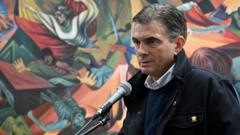
Bolivia Faces Critical Crisis as President Declares State of Emergency
In a dramatic escalation of the ongoing political turmoil, Bolivia's president has announced a state of emergency across the nation, marking a significant turning point in the country's current crisis. This declaration follows consecutive weeks of intense anti-government demonstrations that have severely disrupted the nation's supply chains and economic stability.
The Growing Unrest and Its Consequences
The state of emergency represents an unprecedented response to the escalating civil unrest that has gripped Bolivia for several weeks. The anti-government protests have evolved from isolated demonstrations into a coordinated movement that has paralyzed key sectors of the economy. Citizens have taken to the streets to voice their discontent with government policies, triggering a cascade of disruptions that have affected virtually every aspect of daily life.
Widespread Shortage of Essential Supplies
One of the most immediate and visible consequences of the ongoing crisis has been the acute shortage of basic goods throughout Bolivia. Supermarket shelves across major cities remain empty or sparsely stocked, as distribution networks have been severely compromised by roadblocks and transportation disruptions organized by protest movements. Essential items including food, fuel, and medicine have become increasingly difficult to obtain, creating a humanitarian concern that extends far beyond political disagreements.
The shortage of basic goods has forced citizens to stand in long queues at stores, while many retailers have been forced to implement rationing systems to ensure equitable distribution of limited supplies. This situation has added considerable hardship to the lives of ordinary Bolivians, particularly those in lower-income communities who lack the resources to seek alternative sources.
Government Response and Presidential Actions
The presidential declaration of a state of emergency grants expanded executive powers intended to restore order and stabilize the critical supply situation. Government officials argue that these emergency measures are necessary to reopen transportation routes, restore electricity supply, and resume normal commercial operations. The administration has announced plans to deploy additional security forces to protect supply lines and prevent further disruptions to vital infrastructure.
However, the state of emergency declaration has also raised concerns among civil rights advocates and opposition groups, who worry about potential abuses of expanded executive authority during times of crisis. International observers are closely monitoring the situation to ensure that emergency powers are used proportionately and in accordance with constitutional limits.
Impact on Daily Life and the Economy
The combination of prolonged protests and the resulting shortage of basic goods has created a complex humanitarian challenge for Bolivia's government and international humanitarian organizations. Schools have reduced operations, hospitals face shortages of medical supplies, and manufacturing facilities have suspended production due to lack of fuel and raw materials. The economic impact continues to accumulate as each passing day of disruption adds to the overall cost of the crisis.
Families have altered their routines dramatically, with many people spending hours each day searching for food and other necessities. The psychological toll on the population has become increasingly evident, with reports of anxiety and frustration mounting as the crisis persists without clear resolution.
Looking Forward: Potential Resolution Pathways
As the state of emergency takes effect, various stakeholders are exploring potential avenues for de-escalation and dialogue. Government representatives have indicated openness to negotiations with protest leaders, while international diplomatic entities have offered to mediate discussions. The success of these efforts will largely determine whether Bolivia can exit this crisis quickly or whether the disruption will continue for an extended period.
The declaration of emergency measures represents a critical juncture in Bolivia's current political and social crisis, one that will require careful management and genuine commitment from all parties to resolve the underlying grievances that sparked the anti-government movement. The weeks ahead will be crucial in determining whether the state of emergency can serve as a catalyst for positive change or whether it will deepen divisions within Bolivian society.


