
Trump's Economic D-Day Strategy Could Reshape Iran's Future
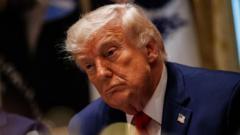
Understanding Trump's Economic D-Day Against Iran
Trump's economic strategy targeting Iran represents a significant escalation in international financial pressure. This comprehensive policy framework aims to systematically dismantle Iran's economic infrastructure through unprecedented sanctions mechanisms. The Trump economic policy Iran approach signals a dramatic shift from previous diplomatic negotiations toward aggressive financial isolation.
Iran's Historical Resilience Against Sanctions
Throughout decades of international sanctions, Iran has demonstrated remarkable adaptive capacity in circumventing economic restrictions. The nation's leadership has developed sophisticated networks and alternative trade routes to maintain commerce despite international pressure. However, the scope and intensity of Trump's proposed measures substantially exceeds prior interventions, potentially overwhelming traditional workaround mechanisms that have historically sustained the Iranian economy.
Previous Sanctions Regimes and Iranian Adaptation
Iran has navigated multiple rounds of sanctions by establishing shadow banking systems, utilizing cryptocurrency transactions, and developing strategic partnerships with nations willing to circumvent international restrictions. Chinese and Russian intermediaries have facilitated significant portions of Iranian trade, allowing essential resources to reach the country despite official embargoes. These established networks have proven resilient against conventional sanctions enforcement.
Trump Economic Policy Iran: New Dimensions
The Trump economic policy Iran framework introduces several innovative enforcement mechanisms absent from earlier sanctions regimes. Enhanced financial surveillance technologies, expanded secondary sanctions targeting foreign companies conducting business with Iran, and coordinated international pressure represent substantial complications for traditional workaround strategies. Financial institutions face unprecedented penalties for even minimal Iranian transactions.
Scope of Proposed Economic Measures
The strategy encompasses comprehensive restrictions across petroleum exports, banking operations, insurance markets, and international shipping. By targeting the Central Bank of Iran directly, the policy threatens the nation's ability to conduct legitimate international commerce. These measures extend beyond sectoral restrictions to encompass broader financial architecture destabilization.
Vulnerability Points in Iran's Economy
Iran's economy exhibits several critical vulnerability points that Trump's strategy systematically exploits. The petroleum sector, representing approximately 80 percent of export revenues, faces severe restrictions limiting international sales. Simultaneously, the Iranian currency has experienced significant devaluation pressure as foreign exchange reserves diminish and capital outflows accelerate.
Oil Sector Vulnerabilities
Iran's petroleum industry requires substantial foreign investment and technological expertise for continued production. International sanctions prevent access to essential refining equipment, drilling technology, and maintenance capabilities. Without these resources, Iran's production capacity faces inevitable decline, compressing government revenues dependent on petroleum exports.
Financial System Fragility
The Iranian banking system remains isolated from international financial networks, restricting access to SWIFT systems and legitimate currency exchange mechanisms. This isolation forces the nation toward informal finance channels, reducing efficiency and increasing operational costs for legitimate businesses. Economic actors face unprecedented difficulty obtaining foreign currency for essential imports.
Potential Economic Consequences
Analysis suggests Trump's economic policy Iran measures could generate severe recessionary pressures within the Iranian economy. Inflation rates might accelerate dramatically as currency devaluation increases import costs. Unemployment could expand significantly as businesses struggle adapting to restricted international commerce.
Humanitarian Dimensions
Comprehensive sanctions regimes typically generate substantial civilian hardship through restricted access to medicines, medical equipment, and essential commodities. Food security concerns emerge as foreign exchange shortages complicate agricultural imports. Ordinary citizens face reduced employment opportunities and increased living costs.
International Dimensions and Complications
Trump's economic policy Iran strategy requires sustained international cooperation for maximum effectiveness. European nations, China, and Russia have historically resisted unilateral American sanctions enforcement. Disagreements over appropriate pressure levels complicate coordination, potentially creating trade opportunities outside official channels.
European Union Response
EU member states have demonstrated reluctance embracing comprehensive Trump-era sanctions, viewing the approach as excessive. European companies face conflicting pressures between American restrictions and domestic interests in maintaining Iranian trade relationships. This resistance potentially provides escape routes for Iranian commerce.
Strategic Partnerships
China and Russia maintain strategic interests in preserving Iranian relationships and countering American influence expansion. These nations might increase direct assistance to Iran, developing alternative financing mechanisms and trade partnerships circumventing American restrictions.
Historical Precedents and Lessons
Previous comprehensive sanctions regimes targeting major economies provide instructive parallels. North Korea's experience demonstrates that sufficiently determined nations can survive extreme economic isolation through internal reorganization and external partnerships. Venezuela's situation illustrates how sanctions accelerate economic deterioration when combined with domestic mismanagement.
Conclusion
Trump's economic policy Iran strategy represents substantially more aggressive pressure than previous sanctions frameworks. While Iran has historically demonstrated adaptation capacity, the scale and comprehensiveness of these proposed measures create unprecedented challenges. However, international cooperation limitations and strategic partnership opportunities may provide partial mitigation. The ultimate economic consequences depend significantly on implementation consistency and sustained international coordination.


