
Banksy Artworks Drain Nearly £150,000 From Public Coffers
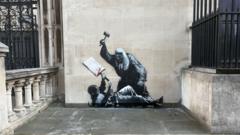
Banksy Artwork Expenses Reach Critical Levels
Recent freedom of information requests have uncovered substantial expenditure related to Banksy artwork preservation, revealing that Banksy artwork costs have totaled nearly £150,000 for public institutions and local authorities. These figures underscore the financial burden placed on taxpayers when protecting and maintaining high-profile street art installations across the United Kingdom.
The Rising Tide of Maintenance Expenditure
The data compiled through FOI disclosures demonstrates that Banksy artwork costs continue to escalate each year. Authorities responsible for locations featuring the renowned street artist's work face mounting bills for protective measures, restoration, and security arrangements. These expenses extend far beyond simple upkeep, encompassing specialized cleaning, vandalism prevention, and structural assessments required to preserve pieces that have become cultural landmarks.
Understanding the Breakdown of Public Spending
The £150,000 figure represents contributions from multiple local councils, museums, and public bodies managing Banksy installations. Costs vary significantly depending on location, size, and condition of individual pieces. Some artworks require climate-controlled environments, while others demand regular monitoring against weather damage and unauthorized modifications. The cumulative effect demonstrates how even celebrated artistic works generate substantial taxpayer expenses when situated on public property.
Security and Protection Measures
A significant portion of expenditure stems from security infrastructure implemented at high-profile Banksy locations. Popular pieces attract thousands of visitors annually, necessitating barriers, surveillance systems, and personnel presence. Furthermore, protecting artwork from theft, further vandalism, and deterioration demands ongoing investment. Many pieces require professional conservators and specialized cleaning agents, driving costs substantially higher than routine maintenance.
Street Art Maintenance Challenges
Street art maintenance for Banksy pieces presents unique complications compared to traditional gallery collections. Outdoor exposure subjects artworks to harsh environmental conditions, pollution, and natural degradation. Urban locations often experience foot traffic from curious visitors, photographers, and enthusiasts seeking to interact with installations. This combination necessitates robust protective frameworks and regular inspections, contributing substantially to the overall expense profile.
Broader Implications for Public Institutions
The revelation of these costs has sparked debate regarding public spending priorities and art preservation budgets. While supporters argue that maintaining culturally significant works justifies expenditure, critics question whether scarce resources should be allocated differently. Local authorities must balance heritage preservation obligations with competing demands from essential services, creating difficult budgetary decisions.
FOI Requests Shed Light on Hidden Expenses
Freedom of information requests have proven instrumental in revealing the complete financial picture surrounding Banksy installations. FOI requests submitted to various councils and institutions have exposed expenditures that often remained hidden from public view. This transparency enables citizens and policymakers to understand the true cost of maintaining contemporary street art within the public realm, fostering informed discussions about resource allocation.
Future Outlook and Cost Projections
Financial analysis suggests that Banksy artwork costs will continue rising as pieces age and require enhanced preservation measures. Climate change impacts, increasing visitor numbers, and deteriorating structural integrity of original surfaces all contribute to upward cost trajectories. Authorities face difficult choices regarding long-term strategies for sustainability and maintenance affordability.
The nearly £150,000 expenditure documented through FOI investigations represents merely the current snapshot of a growing financial commitment. As these artworks become increasingly valuable cultural assets, investment requirements will likely intensify, demanding creative solutions and potentially necessitating new funding mechanisms beyond traditional taxpayer contributions.


