AI Detects Heart Disease in Women Via Mammograms
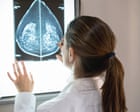
Revolutionary AI Technology Identifies Cardiovascular Risks Through Breast Imaging
A significant breakthrough in medical diagnostics has emerged, demonstrating that AI heart disease detection mammograms can effectively identify women at risk for serious cardiovascular conditions. Researchers have successfully developed and tested an innovative approach that transforms routine breast cancer screenings into a dual-purpose diagnostic tool, simultaneously detecting signs of heart disease, stroke risk, and hypertension.
The medical community has long recognized that women experiencing cardiovascular events often receive late diagnoses compared to their male counterparts. This groundbreaking application of artificial intelligence technology addresses a critical healthcare gap by leveraging existing mammography infrastructure to screen for multiple life-threatening conditions during a single appointment.
How AI Technology Enhances Medical Screening
The research team employed sophisticated machine learning algorithms to analyze mammogram images with unprecedented precision. These algorithms were trained to recognize subtle markers within breast tissue imaging that correlate with cardiovascular disease indicators. By processing imaging data through advanced neural networks, the system can identify women with coronary heart disease, elevated blood pressure, or previous cerebrovascular incidents.
This innovative approach represents a paradigm shift in preventive medicine. Rather than requiring separate appointments and distinct imaging procedures, women undergoing routine cardiovascular screening women protocols can now benefit from comprehensive health assessments through a single examination. The technology demonstrates remarkable accuracy in flagging individuals who would benefit from additional cardiovascular evaluation and intervention.
The Clinical Significance of Dual-Purpose Screening
Heart disease remains the leading cause of mortality among women worldwide, yet diagnosis rates lag significantly behind actual prevalence. Many women experience silent symptoms or attribute early warning signs to other conditions, resulting in delayed medical intervention. The integration of artificial intelligence medical imaging into existing breast cancer screening programs offers an unprecedented opportunity to identify at-risk populations before serious cardiac events occur.
The study findings suggest that incorporating AI-driven analysis into standard mammography protocols could fundamentally transform how healthcare providers approach women's preventive care. Rather than treating breast and cardiovascular screening as separate healthcare initiatives, medical facilities could implement integrated diagnostic frameworks that maximize efficiency and improve patient outcomes.
Understanding the AI Detection Methodology
The artificial intelligence system operates by identifying specific radiological features visible in mammogram images that have established correlations with cardiovascular pathology. These features include tissue density patterns, vascular characteristics, and other imaging markers that indicate underlying cardiac risk factors. The machine learning model was validated against large patient datasets to ensure accuracy and reliability.
Researchers emphasized that this technology does not replace traditional cardiovascular diagnostic methods but rather serves as an initial screening mechanism. Women identified as high-risk through AI analysis would subsequently undergo confirmed diagnosis through conventional cardiac testing, including electrocardiograms, stress tests, or coronary imaging as clinically appropriate.
Implications for Women's Healthcare Systems
Implementation of this technology across healthcare networks could dramatically increase early detection rates for cardiovascular disease in women. By utilizing existing mammography infrastructure and scheduling, hospitals and diagnostic centers could provide comprehensive screening without requiring additional patient visits or resources. This efficiency gain represents both a clinical and economic advantage for healthcare delivery systems.
Medical practitioners specializing in breast cancer screening procedures would require minimal additional training to incorporate AI-assisted analysis into their existing workflows. The technology functions as an analytical layer applied to images already being captured, making integration into current clinical practices relatively straightforward.
Future Directions in AI-Driven Medical Diagnostics
This development opens numerous possibilities for expanding artificial intelligence applications across medical imaging disciplines. Similar machine learning approaches could potentially identify other systemic conditions through existing diagnostic imaging, creating more comprehensive preventive care frameworks. The success of heart disease women diagnosis through mammography analysis demonstrates the untapped potential of AI technology in modern medicine.
As validation studies continue and clinical protocols are refined, healthcare institutions worldwide are exploring adoption pathways. The ability to identify multiple disease states through single imaging procedures represents a significant advancement in efficient, cost-effective preventive medicine that could save countless lives through earlier intervention and improved health outcomes across diverse patient populations.