
180 Deaths Confirmed as Colombia Earthquake Rescue Efforts Intensify
Colombia Earthquake: Rescue Operations Enter Critical Phase
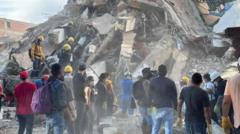
A devastating Colombia earthquake has claimed at least 180 lives, with rescue teams intensifying their search and recovery operations across multiple affected regions. The catastrophic natural disaster has left countless residents trapped beneath collapsed structures, prompting emergency responders to launch large-scale rescue efforts that continue throughout the day and night.
The Colombia earthquake struck with significant force, triggering widespread destruction across residential and commercial areas. Emergency services have mobilized extensive resources to locate survivors still buried in the debris of damaged buildings and infrastructure. Rescue coordination teams are working systematically through affected zones, prioritizing areas where survivors are most likely to be found.
Ongoing Aftershocks Complicate Rescue Efforts
Tuesday brought additional complications as multiple powerful aftershocks continued to strike the region following the initial Colombia earthquake. These secondary tremors have created dangerous conditions for rescue workers attempting to navigate unstable rubble and partially collapsed structures. The aftershock sequence has raised concerns about further structural failures that could endanger both survivors and emergency personnel engaged in active rescue operations.
Geologists monitoring seismic activity report that the aftershock pattern remains unpredictable, with several tremors measuring significant magnitude. This ongoing seismic activity has forced rescue teams to implement additional safety protocols and work more cautiously when extracting individuals from debris fields. The unpredictability of subsequent tremors adds stress to an already high-pressure operational environment.
Search and Recovery Operations Expand
Rescue organizations have deployed specialized teams equipped with advanced detection equipment to locate survivors trapped in buildings. Working conditions remain extremely challenging due to the extent of structural damage caused by the initial Colombia earthquake and its powerful aftershocks. Teams are systematically examining each damaged structure, using acoustic listening devices and trained rescue dogs to identify signs of trapped individuals.
Emergency responders have established coordination centers to manage the complex logistics of rescue operations across multiple affected zones. Medical personnel are stationed at makeshift treatment areas to provide immediate care to rescued survivors. Hospitals in surrounding regions have been placed on high alert to accommodate the influx of injured individuals requiring emergency medical intervention.
Impact on Local Communities
The Colombia earthquake has devastated entire neighborhoods, displacing thousands of residents from their homes and disrupting essential services. Infrastructure damage includes compromised water systems, power outages affecting wide areas, and damaged roadways hindering access to affected communities. Local authorities are coordinating with national emergency agencies to establish temporary shelter facilities for displaced populations and provide humanitarian assistance.
Educational institutions and government buildings have sustained significant damage, hampering official response coordination efforts. The disruption to communication networks in certain areas has complicated efforts to assess the full extent of damage and locate additional survivors who may be isolated in hard-to-reach locations.
International Support and Aid Deployment
The Colombian government has requested international assistance as the scale of the Colombia earthquake disaster becomes clearer. Neighboring countries and international organizations have begun mobilizing humanitarian aid, including medical supplies, emergency equipment, and trained rescue personnel. This collaborative international response aims to supplement local emergency resources and accelerate recovery operations.
Relief organizations are establishing distribution centers for food, water, medical supplies, and temporary shelter materials. The mobilization of international support reflects the severity of the Colombia earthquake and the urgent humanitarian needs of affected populations.
Fatality Assessment and Ongoing Concerns
The confirmed death toll of 180 from the Colombia earthquake is expected to potentially increase as rescue operations continue and recovery efforts extend to remote areas. Missing person reports continue to mount as families search for loved ones and attempt to reconnect with separated relatives. The psychological impact on survivors and rescue workers dealing with the trauma of such a catastrophic natural disaster requires ongoing mental health support.
Medical professionals warn that disease outbreak prevention is critical during the recovery phase following the Colombia earthquake, particularly given disruptions to sanitation systems and water supply infrastructure. Vaccination campaigns and disease monitoring efforts are being implemented alongside physical rescue and relief operations to protect public health.


