
US Removes Syria from Terrorism Sponsors List Under New Leadership
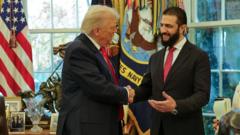
United States Takes Action on Syria's Terrorism Designation
In a significant diplomatic development, the United States has decided to remove Syria from its official list of state sponsors of terrorism. This decision marks a substantial shift in American foreign policy toward the Middle Eastern nation and reflects changing geopolitical circumstances in the region. The removal from the state sponsors of terrorism list represents Washington's recognition of evolving conditions within Syria's government structure and leadership transition.
Context Behind the Policy Shift
The Trump administration has signaled its willingness to engage with Syria's transformed political landscape. The country's new leadership, headed by former militant Ahmed al-Sharaa, has prompted reconsideration of long-standing American sanctions and designations. This policy realignment suggests a pragmatic approach to regional stability and diplomatic relations in an area traditionally marked by complex geopolitical tensions.
Ahmed al-Sharaa's Rise to Power
Ahmed al-Sharaa's ascension to Syria's presidency represents a significant change in the nation's political structure. His background, including previous affiliations with armed groups, has been carefully evaluated by American officials assessing Syria's current trajectory. The international community's response to his leadership has been mixed, with various nations adopting different approaches to engagement and recognition of the new Syrian government.
Implications of Removing State Sponsors Designation
The removal from the state sponsors of terrorism list carries substantial practical and symbolic weight. Such designations carry serious consequences, including economic sanctions, restrictions on foreign aid, and limitations on diplomatic relations. By taking Syria off this list, the United States opens pathways for potential economic cooperation and normalized diplomatic engagement. The decision enables financial transactions that were previously prohibited and signals willingness to reconsider bilateral relationships.
International Response and Regional Dynamics
Other nations are closely monitoring America's decision and its implications for regional stability. The move could influence how other countries approach their own policies toward Syria, particularly regarding sanctions relief and diplomatic recognition. Regional actors, including neighboring states and international organizations, are assessing what this policy change means for broader Middle Eastern geopolitical balance and humanitarian considerations.
Humanitarian and Strategic Considerations
The decision to remove Syria from the terrorism sponsors list reflects assessments of current security conditions and governance structures. American officials have evidently determined that circumstances warrant reconsideration of previous designations. However, humanitarian concerns and past allegations against Syrian authorities remain subjects of international discourse and monitoring by human rights organizations.
Looking Forward: US-Syria Relations
This policy adjustment suggests potential for increased diplomatic engagement and economic cooperation between Washington and Damascus. Future developments may include discussions on sanctions relief, reconstruction assistance, and regional security cooperation. The trajectory of US-Syria relations will likely depend on Syria's demonstrated commitment to governance standards and international law compliance that the American government considers acceptable.


