
US Intensifies Military Operations Against Iran Amid Trump's Stern Warning
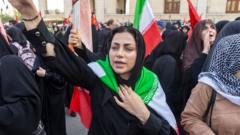
US Escalates Military Campaign Against Iran
The United States has launched a new series of military strikes on Iran, marking a significant escalation in the ongoing tensions between Washington and Tehran. This latest round of US strikes on Iran comes as President Donald Trump issues a stern warning to Iranian leadership, demanding improved conduct and compliance with international demands.
The military operations represent a continuation of the Trump administration's hardline approach toward the Islamic Republic. These strikes follow months of escalating rhetoric and military posturing in the region, with the US maintaining a strong naval and air presence throughout the Persian Gulf and surrounding areas.
Trump's Direct Warning to Iran Leadership
During recent statements to the media, President Trump has made clear that the United States possesses both the capability and willingness to take decisive action against Iranian threats. The president's language suggests that further Iranian provocations could result in even more severe consequences, though Trump has notably remained noncommittal about specific future military operations.
When asked directly whether he intends to completely eliminate Iranian military capabilities, Trump deflected the question, stating that he has not yet made a final determination on whether or how far the campaign against Iran will ultimately proceed. This ambiguity appears intentional, creating an element of unpredictability that the administration believes strengthens its negotiating position.
Regional Security Implications
Military analysts have noted that the escalating US strikes on Iran carry significant implications for broader Middle Eastern stability. The operations involve multiple branches of the US armed forces and likely include coordination with allied nations in the region. The intensity and frequency of these military actions represent a departure from previous policy approaches toward Tehran.
The timing of these operations coincides with increased diplomatic isolation of Iran on the international stage. Several nations have aligned with the American position, tightening economic sanctions and restricting trade relationships with the Iranian government. The combined effect of military pressure and economic isolation creates a complex environment for Iranian policymakers.
Historical Context of US-Iran Relations
The current military campaign represents the latest chapter in the long and contentious history of US-Iran relations. Tensions have periodically escalated and subsided over several decades, but the present situation reflects particularly acute hostilities. Previous administrations attempted various approaches, ranging from diplomatic engagement to strategic containment, with mixed results.
The Trump administration has taken a more confrontational stance, withdrawing from the Joint Comprehensive Plan of Action (JCPOA) and reimposing severe economic sanctions on Iran. These policy decisions set the stage for the current military operations and diplomatic standoff between the two nations.
International Response to Military Operations
Global reactions to the US strikes on Iran have been mixed, reflecting divergent geopolitical interests among world powers. Some allies have expressed support for American actions, viewing them as necessary measures against perceived Iranian aggression and regional destabilization efforts. Conversely, other nations have called for restraint and a return to diplomatic channels.
International organizations and human rights groups have urged all parties to pursue peaceful resolution mechanisms and avoid further escalation that could destabilize the region. The United Nations has expressed concern about the military operations and their potential consequences for regional and global security.
Iran's Strategic Position
Iranian leadership has consistently denied American allegations of regional aggression and weapons development violations. Tehran argues that it has the right to develop its military capabilities in self-defense and that American military actions constitute an illegal violation of Iranian sovereignty. The Iranian government has vowed to respond to any further US aggression through various available channels.
Despite the military pressure, Iran has indicated willingness to engage in negotiations if the United States is willing to lift economic sanctions and recognize Iranian security concerns. However, these diplomatic overtures have so far yielded limited progress, as the Trump administration maintains its current confrontational approach.
Looking Forward: Uncertainty and Possibilities
The path forward remains uncertain, with multiple possible scenarios depending on how both nations respond to the escalating situation. Trump's deliberate ambiguity about further military action suggests the administration may be attempting to negotiate from a position of maximum strength. Whether this strategy will ultimately lead to diplomatic breakthroughs or continued military confrontation remains an open question.
The international community watches closely as these events unfold, aware that any major escalation in US strikes on Iran could have far-reaching consequences for global energy markets, international stability, and the broader geopolitical landscape of the Middle East.


