
Ukraine's Military Leader Ousted Amid Protests Over Defense Changes
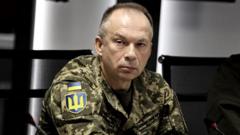
Ukraine's Top Military Commander Removed Following Wave of Public Dissent
In a significant development affecting Ukraine's military hierarchy, the nation's commanding general has been relieved of his duties following widespread demonstrations protesting recent personnel changes within the defense establishment. This dismissal marks a major shift in the country's military leadership structure during a critical period.
The removal of the Ukraine military commander comes after days of mounting public pressure and organizational unrest over the earlier termination of a high-ranking defense official. Citizens and military observers had voiced strong opposition to the previous personnel decision, creating sustained tension within government and military circles.
Context Behind the Military Leadership Changes
The cascade of military command alterations stems from the controversial removal of Defence Minister Mykhailo Fedorov, a figure who had earned considerable support among both civilian populations and military personnel. His dismissal triggered immediate and vocal reactions from various segments of Ukrainian society, with protesters demanding reconsideration of the decision.
Fedorov's popularity within military ranks and among the public created significant political pressure on President Zelensky's administration. The widespread backlash suggested that stakeholders across multiple sectors viewed his removal as a strategic misstep, particularly given the ongoing security challenges facing the nation.
Understanding the Chain of Events
Following the initial controversy surrounding Defence Minister Fedorov's dismissal, military headquarters became a focal point of discontent. The continued protests and expressions of dissatisfaction ultimately prompted additional personnel changes at the highest levels of military command.
Oleksandr Syrskyi, who held the position of Ukraine's top army commander, became the subject of these organizational adjustments. His removal represented a direct response to the sustained public and institutional pressure that had built up since the earlier controversial decision regarding the defense minister.
Implications for Ukraine's Military Structure
The succession of leadership changes raises important questions about military stability and decision-making processes within the Ukrainian defense establishment. The removal of senior commanders during periods of internal conflict can have significant consequences for organizational cohesion and operational effectiveness.
These shifts in military hierarchy occur at a sensitive moment for Ukraine, requiring strong institutional leadership and clear strategic direction. The ability to maintain public confidence while preserving military effectiveness remains a critical challenge for the government.
Public Response and Democratic Accountability
The sustained protests that prompted these changes underscore the connection between public opinion and government decision-making in Ukraine. Citizens demonstrated their capacity to influence high-level military appointments through organized expression of their concerns and demands for accountability.
This dynamic reflects broader tensions within Ukrainian society regarding military leadership, strategic direction, and the proper balance between civilian oversight and military autonomy. The willingness of the government to respond to public pressure indicates responsiveness to democratic principles, though questions remain about the long-term implications of these decisions.
Moving Forward: Leadership Transitions
With the removal of the Ukraine military commander now complete, attention turns toward identifying successor candidates and establishing new operational protocols. The appointment of replacement leadership will be closely scrutinized by both domestic observers and international partners supporting Ukraine.
The government must balance several competing interests: addressing legitimate public concerns, maintaining institutional stability, preserving military effectiveness, and ensuring clear chains of command during a period of significant national challenge. The decisions made in coming weeks will establish crucial precedents for civil-military relations in Ukraine.
The series of military leadership changes represents a pivotal moment in Ukrainian governance, demonstrating both the power of public mobilization and the complexities inherent in managing large institutional structures during periods of internal and external pressure.


