
Ukraine's Massive 2026 Strike Leaves Seven Dead in Russian Territory
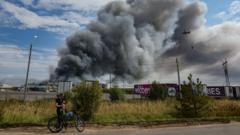
Largest Ukrainian Attack of 2026 Results in Significant Russian Casualties
Russia confirmed that an extensive Ukraine attack 2026 operation resulted in at least seven fatalities in Russian territory, marking the most significant assault undertaken by Ukrainian forces throughout the year. The unprecedented scale of the Ukraine attack 2026 highlighted the intensifying military confrontation between the two nations, with Russian officials documenting the extent of damage caused by the coordinated assault across multiple locations.
The timing of this substantial Ukraine attack 2026 demonstrated escalating tensions on the battlefield, as Ukrainian military forces executed a comprehensive operation that penetrated Russian defenses. Authorities in Moscow emphasized the severity of casualties and infrastructure damage sustained during the strike, underscoring the operational capabilities demonstrated by Ukrainian armed forces in conducting large-scale cross-border military actions.
Moscow's Retaliatory Overnight Campaign Against Kyiv
In response to the Ukrainian offensive, Moscow launched a series of deadly counterstrikes throughout the night targeting Ukraine's capital city. The retaliatory Kyiv strikes initiated by Russian forces resulted in extensive fires erupting across multiple districts of the capital, creating widespread emergency situations requiring immediate response from Ukrainian emergency services and civilian protection agencies.
The overnight assault on Kyiv represented Moscow's swift and forceful reaction to the earlier Ukrainian attack 2026. Russian military operations focused on critical infrastructure and populated areas, intensifying the humanitarian crisis affecting civilians in the capital region. Emergency responders worked throughout the night to contain numerous fires and address the immediate consequences of the bombardment campaign.
Impact and Scale of the Military Exchange
The exchange of strikes between Ukrainian and Russian forces underscored the ongoing volatility of the conflict and the substantial military capabilities both nations continue to deploy. The Ukraine attack 2026 proved to be a watershed moment in the year's military operations, demonstrating Ukraine's ability to conduct complex, coordinated operations deep within Russian territory despite significant defensive measures.
Russian military analysts acknowledged the sophisticated nature of the Ukrainian assault, noting that the Ukraine attack 2026 required considerable planning and coordination. The operation successfully bypassed various defensive systems and reached intended targets, inflicting the reported casualties and material damage that prompted Moscow's dramatic overnight response against Kyiv.
Humanitarian and Civilian Consequences
The Kyiv strikes triggered by Moscow's retaliation exposed civilian populations to immediate danger, with fires spreading rapidly through residential and commercial areas. The humanitarian toll of both the initial Ukraine attack 2026 and the subsequent retaliatory campaign continued mounting as rescue operations proceeded throughout the capital.
Civilian infrastructure sustained considerable damage during the overnight bombardment, affecting utilities, transportation networks, and essential services. The cycle of attack and counterattack intensified existing humanitarian challenges, with displaced civilians and those affected by the Kyiv strikes requiring emergency assistance and shelter provisions.
Military Strategy and Future Implications
The execution of such a large-scale Ukraine attack 2026 suggested significant shifts in military strategy and capabilities within the Ukrainian armed forces. Military experts debated whether the operation represented a new phase in Ukraine's offensive posture or a continuation of existing tactical approaches adapted with enhanced resources and coordination mechanisms.
Moscow's immediate and forceful response through the Kyiv strikes indicated the Kremlin's determination to maintain escalatory parity and prevent any perceived advantage from shifting toward Ukrainian forces. The pattern of retaliation established through this exchange suggested that similar cycles of attack and counterattack might continue characterizing the conflict throughout 2026 and beyond, with both nations demonstrating sustained commitment to military operations.


