
Ukraine Strikes Strategic Oil Terminal in St Petersburg
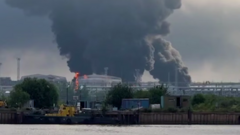
Ukraine Conducts Strategic Strike on Major Oil Facility in St Petersburg
Ukrainian military forces have executed a significant operation against a Ukraine oil terminal St Petersburg, marking another phase in the nation's asymmetric warfare strategy. This strike represents a coordinated effort to disrupt critical energy infrastructure that sustains Moscow's military capabilities and finances continued hostilities.
Presidential Confirmation of Strategic Objective
Ukrainian President Volodymyr Zelensky has publicly acknowledged the operation, characterizing the targeted facility as essential infrastructure that directly generates financial resources supporting Russia's ongoing military campaign. According to official statements, the Ukraine oil terminal represents a strategic asset vital to the Kremlin's ability to fund and maintain its operational capacity in the conflict zone.
Impact on Russian Revenue Streams
The targeting of this St Petersburg petroleum distribution center reflects Ukraine's broader strategy to strike at the economic foundations of Russian war financing. By focusing on energy sector assets, Ukrainian forces aim to reduce Moscow's capacity to convert natural resources into military expenditures. This approach acknowledges that disrupting energy exports and refining operations directly diminishes funds available for continued aggression.
Energy Infrastructure as Wartime Target
The assault on Russian oil terminals represents a significant escalation in Ukraine's counter-offensive strategy. Rather than concentrating solely on conventional military targets, Ukrainian command has identified critical infrastructure nodes that provide sustained economic support for military operations. The oil terminal in St Petersburg exemplifies this category of facility—civilian in nature yet fundamentally connected to state revenue generation.
Strategic Rationale Behind Infrastructure Strikes
Military analysts note that targeting energy infrastructure creates cascading economic effects throughout the Russian economy. Export revenue from petroleum sales constitutes a substantial portion of federal budget allocations directed toward military spending. By degrading refining and distribution capabilities in major ports like St Petersburg, Ukraine effectively constrains Moscow's ability to finance its war machine without direct armed confrontation in civilian population centers.
Broader Context of Asymmetric Warfare
Ukraine's targeting of Russian oil terminals reflects its adaptation to asymmetric conflict conditions. Facing a numerically superior military force, Ukrainian strategy emphasizes precision strikes against high-value civilian infrastructure that possesses direct military utility through revenue generation. This approach prioritizes economic disruption as a complementary element to conventional military resistance.
Precedent and Pattern Development
This operation follows a series of previous Ukrainian strikes against Russian energy infrastructure across multiple regions. The systematic nature of these campaigns suggests a coordinated strategy rather than isolated incidents. Each successful strike against oil processing facilities, refineries, or distribution terminals further constrains Russian state finances without requiring direct engagement of armored formations.
Presidential Statement on War Finance
Zelensky's public attribution of the operation specifically emphasizes the financial dimension of the target. His characterization of the facility as infrastructure "that generates revenue for Russia's war" provides explicit political context for military operations. This framing transforms technical military objectives into comprehensible explanations of how Ukraine disrupts enemy capability through economic pressure.
Economic Warfare as Strategic Component
The presidency's open acknowledgment of the operational objective demonstrates Ukraine's willingness to pursue economic warfare alongside conventional military measures. By publicizing connections between targeted infrastructure and war financing, Ukrainian leadership reinforces both domestic morale and international support. The message emphasizes that Ukraine pursues rational, justified military objectives rather than indiscriminate attacks.
International Implications and Response
The Ukraine oil terminal strike carries implications beyond immediate tactical effects. Disruptions to Russian oil processing and export create broader energy market fluctuations affecting global petroleum pricing. European energy security, already complicated by the conflict, experiences additional uncertainty from reduced Russian export capacity.
Energy Markets and Geopolitical Consequences
Repeated strikes on Russian refining infrastructure potentially constrain global oil supplies, creating inflationary pressures in consuming nations. However, Ukrainian strategic planners appear to accept these collateral consequences as acceptable costs of disrupting adversary war financing. The targeting philosophy prioritizes degrading enemy resources over minimizing economic spillover effects on neutral parties.
Operational Capabilities and Reach
The successful strike on St Petersburg infrastructure demonstrates Ukrainian military capabilities extending well beyond the immediate conflict zone. Regardless of delivery methodology—drone strikes, cruise missiles, or covert sabotage—the operation confirms Ukrainian forces can project power into Russian territory. This capacity fundamentally alters conflict dynamics by ensuring rear-area infrastructure remains vulnerable.
Implications for Russian Strategic Planning
Russian military planners must now account for vulnerabilities in homeland energy infrastructure when calculating war costs. Previously, the geographic distance between conflict zones and Russian population centers provided security for civilian-connected facilities. Contemporary Ukrainian capabilities have eliminated this geographical buffer, forcing Moscow to allocate additional resources toward defensive measures.
Continuing Asymmetric Campaign
The St Petersburg oil terminal operation exemplifies Ukraine's strategic adaptation to conventional military disadvantages. By targeting economic infrastructure that finances military operations, Ukrainian command pursues victory through financial exhaustion rather than territorial conquest. This sustained campaign against energy facilities likely continues as a centerpiece of Ukrainian wartime strategy moving forward.


